
When it comes to training dogs, treats play a crucial role in reinforcing good behavior. As a passionate dog lover and experienced pet trainer, I’ve seen firsthand how choosing the right kind of treat can make a world of difference. Today, I’m diving deep into the world of frozen dog training treats to give you the most accurate and practical insights, so you can train your furry friend effectively and healthily.
So, what exactly is a frozen dog training treat? Frozen dog training treats are small, nutrient-rich snacks that are chilled or frozen to provide a refreshing and long-lasting reward during training sessions. They help keep your dog engaged, cool, and motivated, especially in warm weather or for dogs who love chewy textures. These treats are often made with natural ingredients and can be customized at home or bought commercially.
Curious about making your own frozen dog training treats? Or wondering which ingredients are safest and most effective? Keep reading to discover easy recipes, the benefits, and expert tips on using frozen treats to make training fun and rewarding for your dog.
What Are Frozen Dog Training Treats?
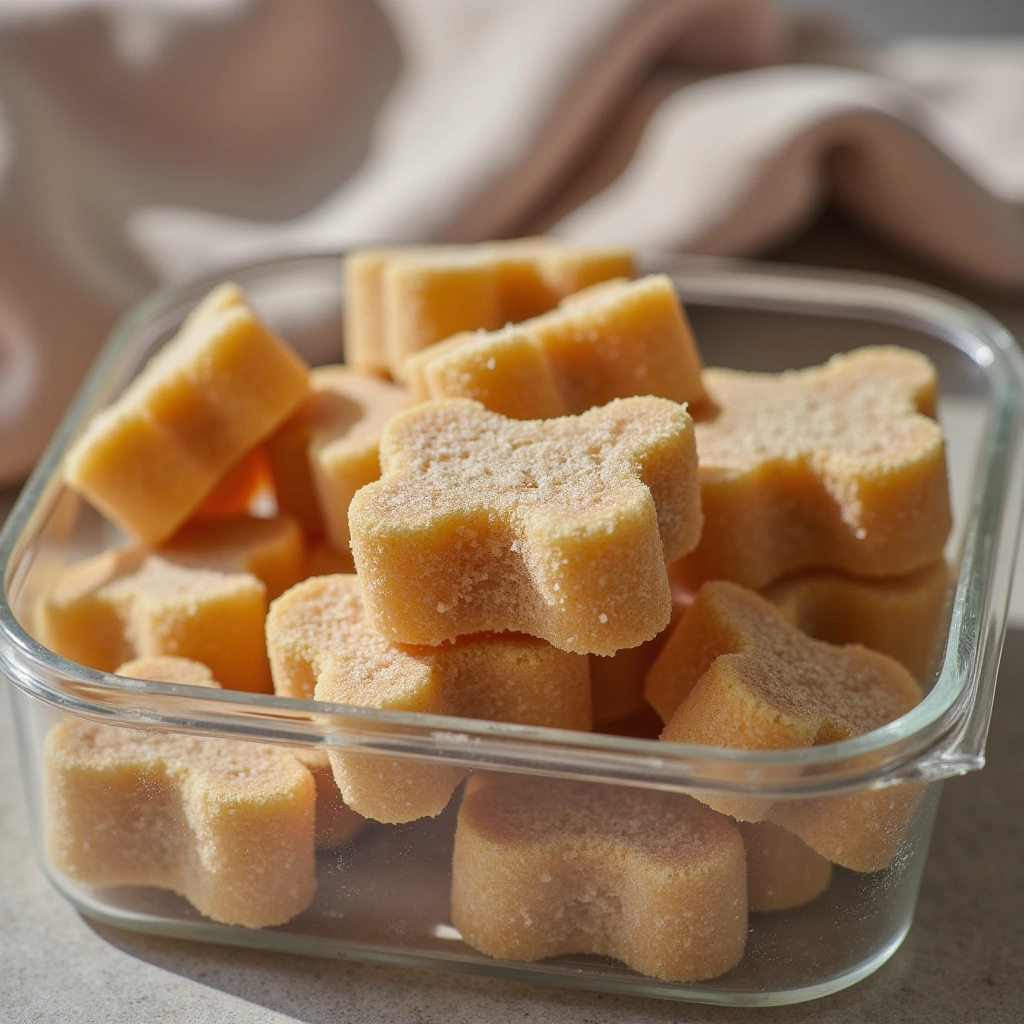
Frozen dog training treats are bite-sized rewards that have been chilled or frozen to enhance their appeal during training sessions. Unlike regular dry treats, these frozen varieties offer a cool texture that can soothe teething puppies or help dogs stay calm on hot days. Often made from wholesome ingredients like yogurt, peanut butter, pumpkin, or pureed fruits and vegetables, they provide both hydration and nutrition.
The idea is simple: by freezing the treats, you extend the chewing time, making them more satisfying for your dog. This slows down eating and keeps your dog focused on the training task, which can improve learning outcomes. Plus, the cold temperature can act as a mild pain relief for dogs with sensitive gums.
Frozen treats come in different forms—popsicles, cubes, or molded shapes—and can be conveniently portioned for easy use. You can find many recipes online or buy pre-made frozen treats designed specifically for dogs.
Why Frozen Treats Are Ideal for Dog Training
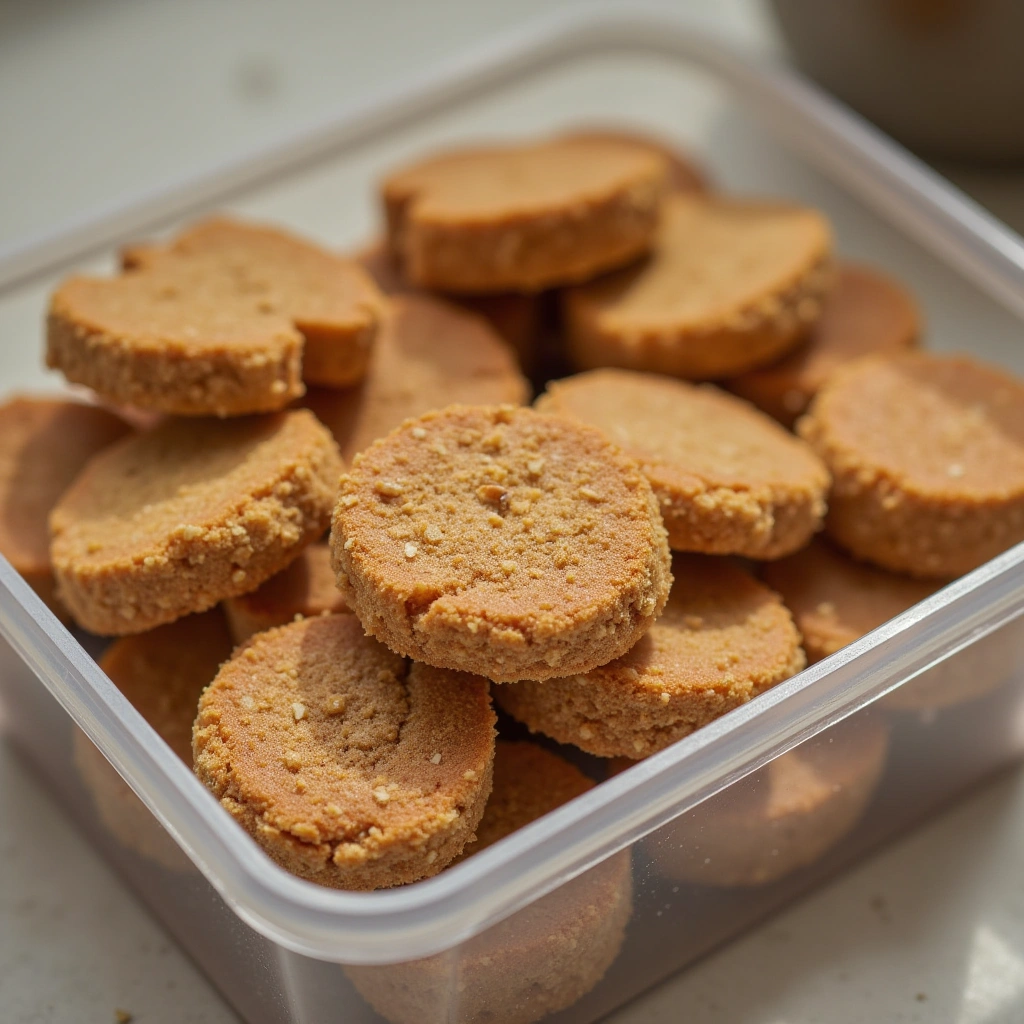
Frozen dog training treats offer several advantages over traditional dry or soft treats:
- Slower Consumption: The frozen texture slows down eating, reducing gulping and encouraging dogs to savor their reward.
- Cooling Effect: Perfect for hot climates or post-exercise cooling.
- Dental Benefits: The chewiness helps clean teeth and massage gums.
- Hydration Boost: Many frozen treats contain water-rich ingredients that help keep dogs hydrated.
- Reduced Calories: When made with natural, low-calorie ingredients, they support weight management.
These benefits make frozen treats an excellent choice for training sessions, especially for puppies, senior dogs, or those with sensitive teeth.
How to Make Your Own Frozen Dog Training Treats at Home
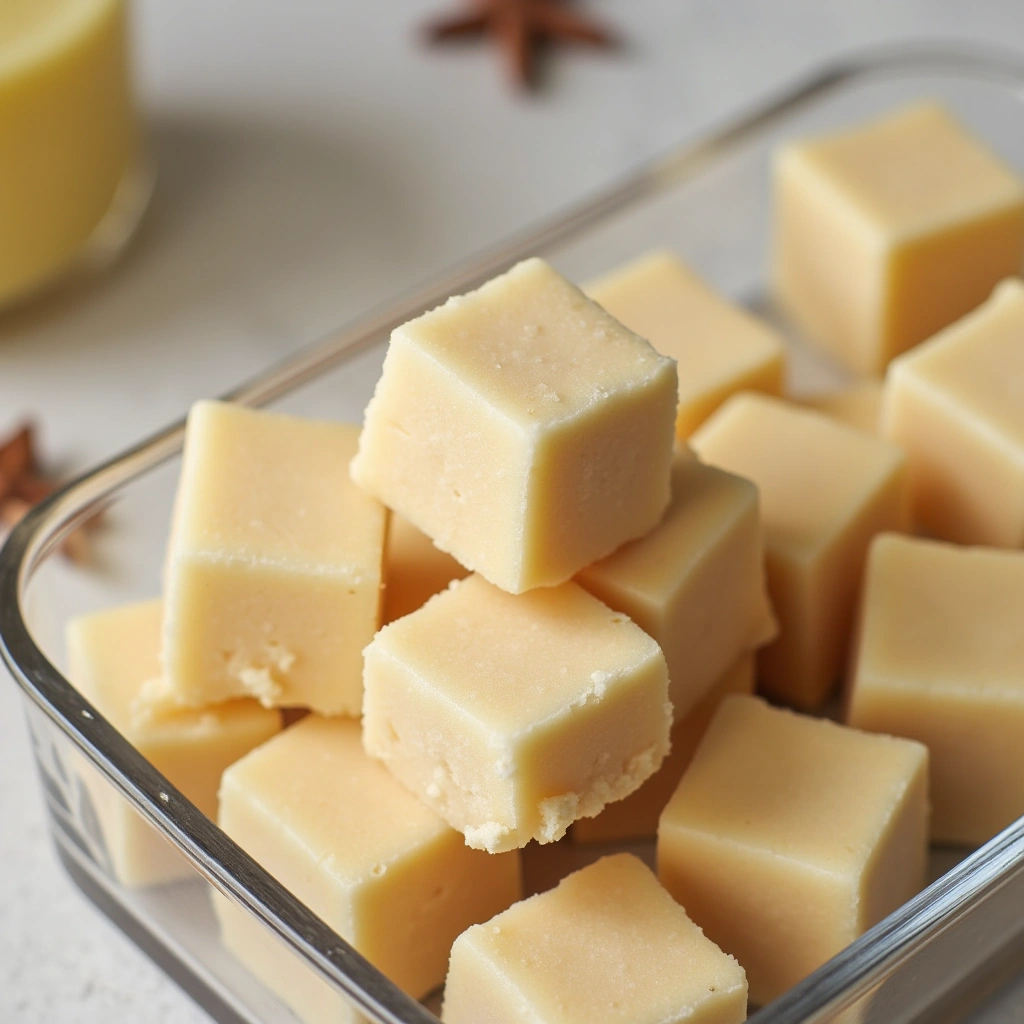
Making frozen dog training treats is easier than you think! Here are some simple recipes and tips you can try:
Basic Yogurt and Peanut Butter Cubes
- Ingredients: Plain Greek yogurt (unsweetened), natural peanut butter (xylitol-free).
- Instructions: Mix equal parts yogurt and peanut butter. Spoon the mixture into ice cube trays. Freeze for at least 2 hours before use.
Pumpkin and Banana Pops
- Ingredients: Canned pumpkin (unsweetened), ripe banana, water.
- Instructions: Blend pumpkin and banana with a little water until smooth. Pour into silicone molds and freeze.
Chicken Broth Ice Cubes
- Ingredients: Low-sodium chicken broth.
- Instructions: Pour broth into ice cube trays and freeze. Great for dogs who prefer savory treats.
Pro Tips:
- Always check ingredient safety for dogs (avoid xylitol, chocolate, onions, grapes).
- Portion treats small to prevent overfeeding.
- Store frozen treats in airtight containers to prevent freezer burn.
The Best Ingredients for Frozen Dog Training Treats
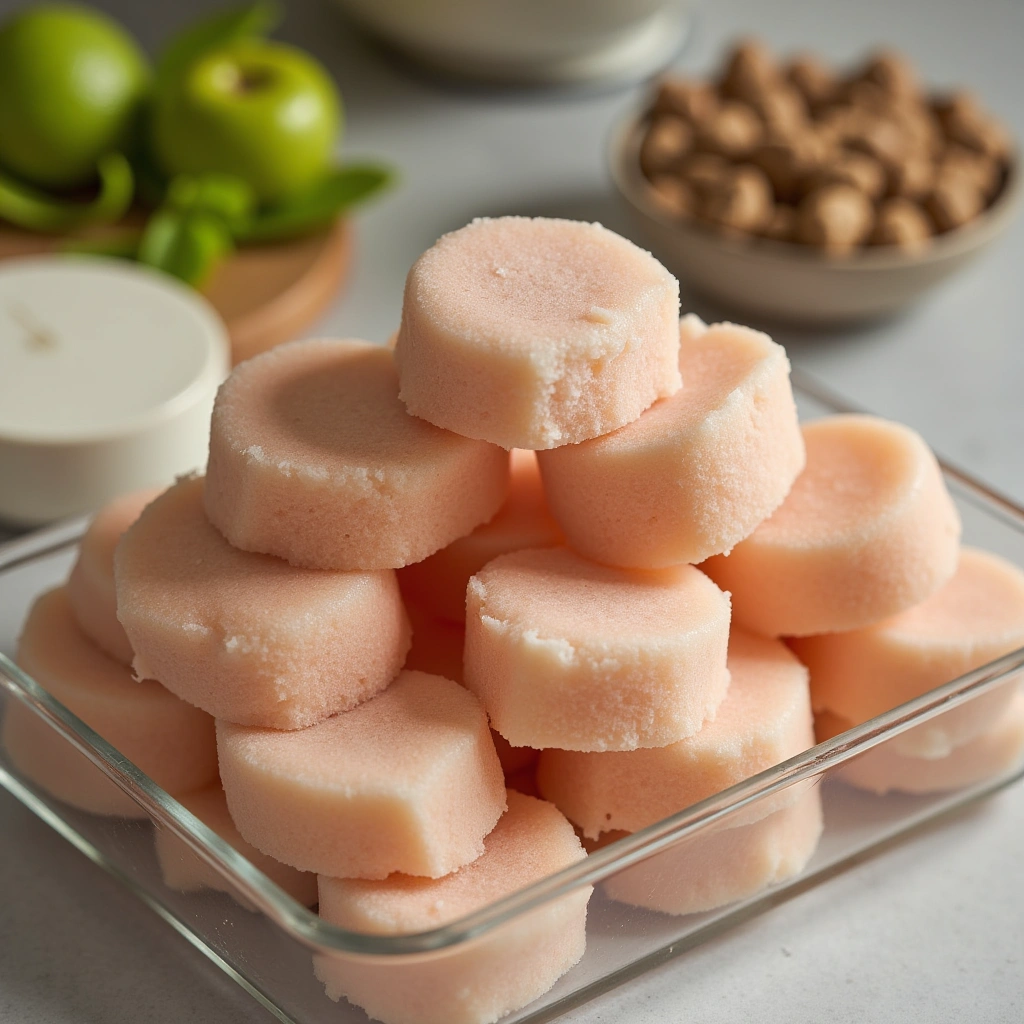
Choosing the right ingredients is key to making healthy, tasty frozen treats. Here’s a quick guide:
| Ingredient | Benefits | Notes |
|---|---|---|
| Plain Greek Yogurt | Probiotics, protein, calcium | Avoid flavored or sweetened |
| Peanut Butter | Protein, healthy fats | Must be xylitol-free |
| Pumpkin | Fiber, vitamins, aids digestion | Use plain canned pumpkin |
| Banana | Potassium, natural sweetness | Use in moderation |
| Carrots | Low-calorie, vitamins, crunchy texture | Can be blended or shredded |
| Chicken Broth | Flavorful, hydrating | Use low-sodium, no onion/garlic |
| Blueberries | Antioxidants, vitamins | Use fresh or frozen |
Avoid artificial sweeteners, added sugars, or harmful spices.
Benefits of Using Frozen Dog Treats for Training
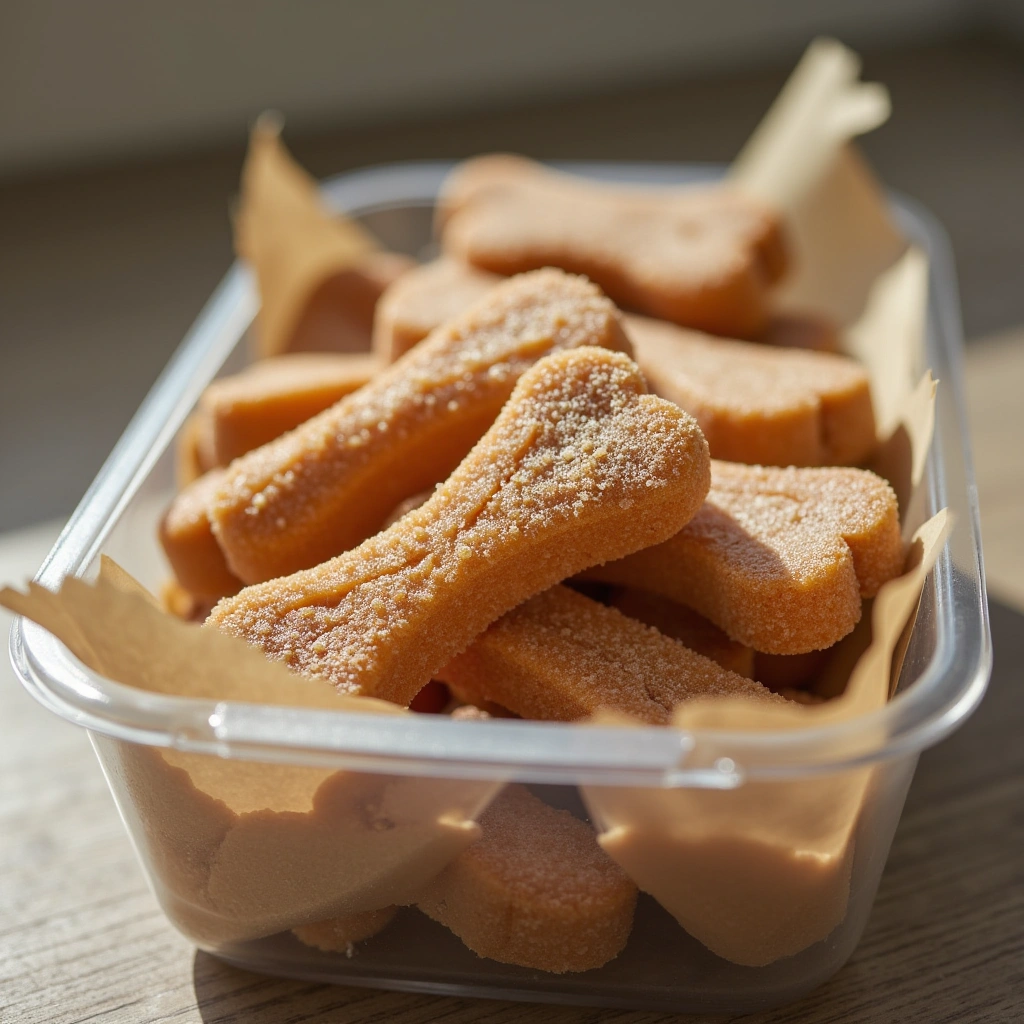
Frozen dog training treats aren’t just a novelty—they have real benefits that can improve your dog’s training experience.
- Enhanced Focus: The novelty and texture grab your dog’s attention.
- Longer Reward Time: Slower licking or chewing extends reward duration.
- Healthier Option: When homemade, you control ingredients, avoiding fillers.
- Cooling and Soothing: Great for puppies’ teething pain or hot days.
- Less Mess: Frozen treats tend to melt slower, reducing mess during training.
Using frozen treats can turn training into a more enjoyable and effective experience for both you and your dog.
When to Use Frozen Dog Training Treats
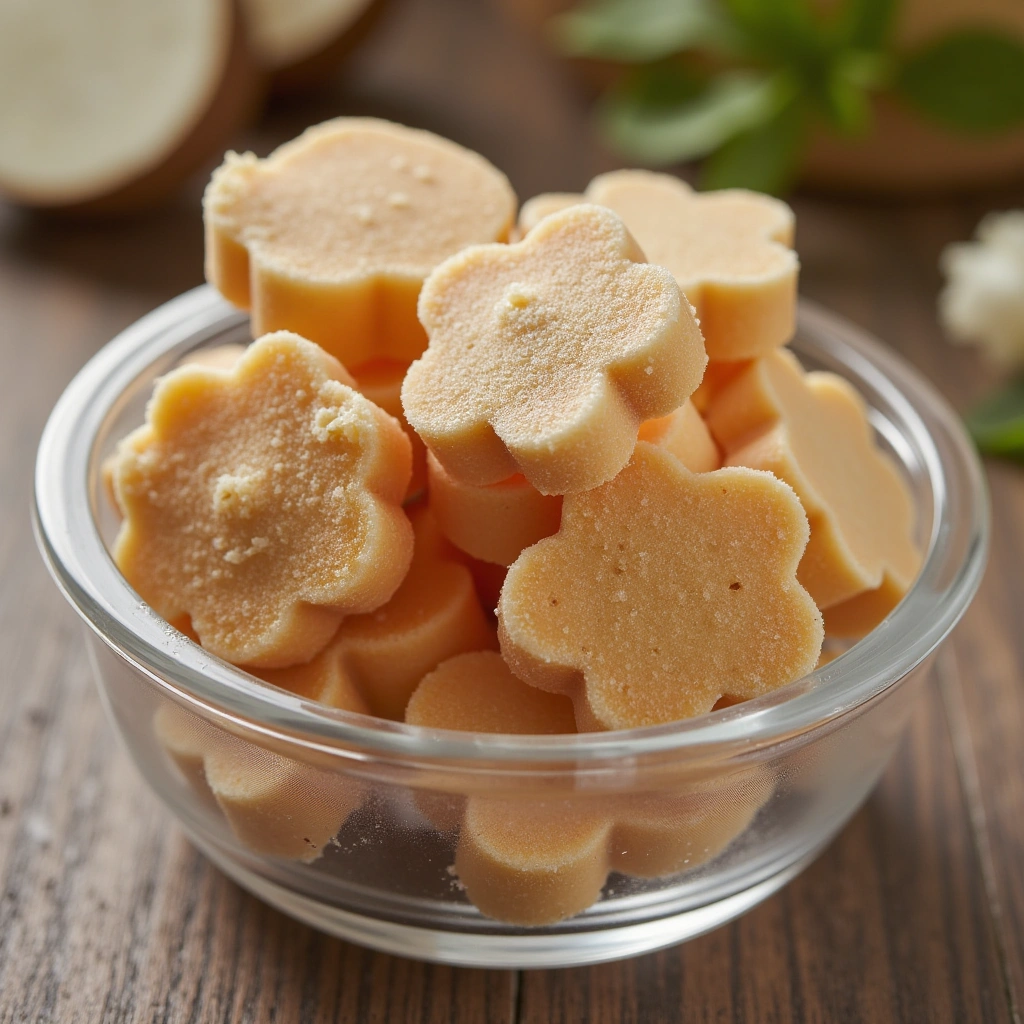
Frozen treats are perfect for specialized situations:
- Hot Weather Training: Keeps dogs cool and motivated.
- Puppy Teething: Soothes sore gums while rewarding.
- Long Training Sessions: Slow consumption helps maintain attention.
- Dogs with Dental Sensitivities: Gentle chew helps clean teeth without irritation.
- Hydrating Treats: Ideal for active dogs who need extra fluids.
However, frozen treats might not be ideal for quick rewards in high-intensity training where instant consumption is preferred.
Commercial Frozen Dog Training Treat Options
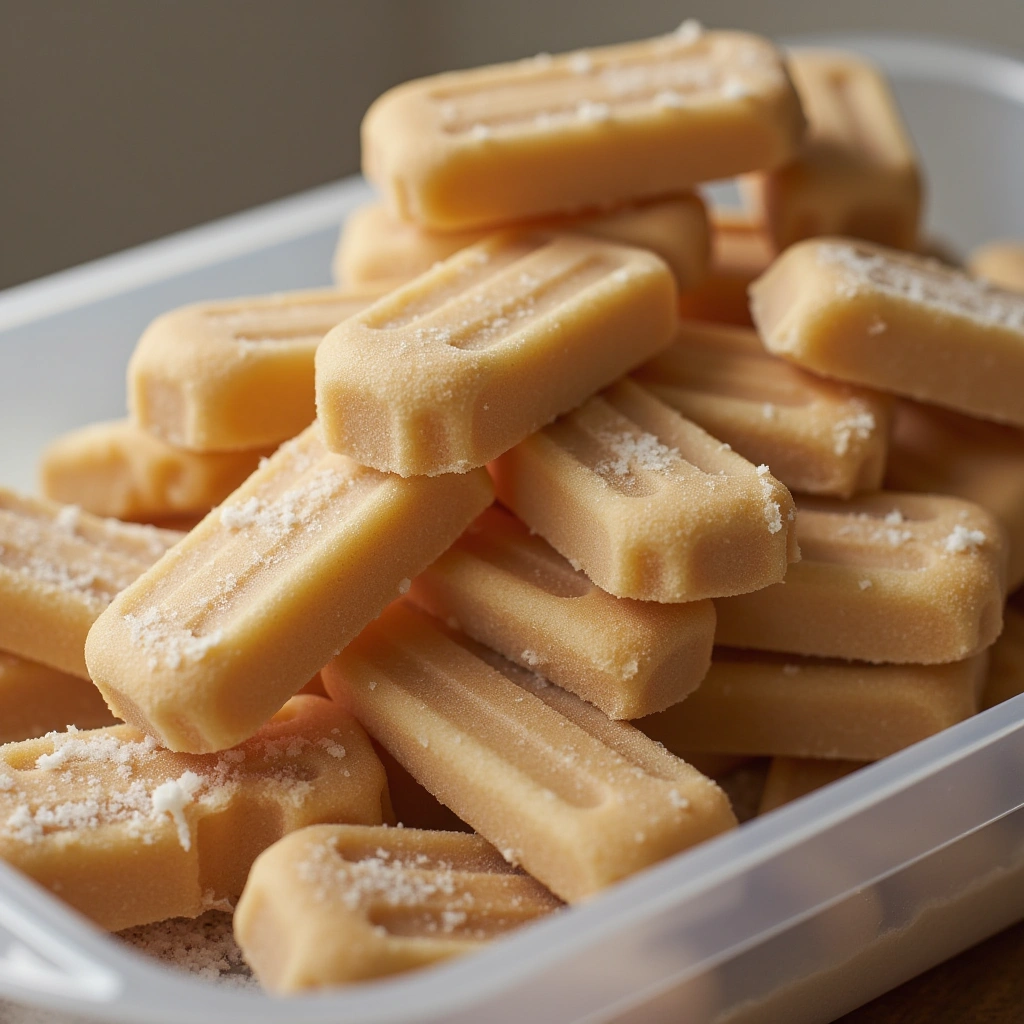
If you aren’t into DIY, many brands offer frozen dog treats designed for training:
- Frozen Yogurt Bites: Made with dog-safe yogurt and fruits.
- Meat-Based Popsicles: High-protein, savory options for carnivorous pups.
- Vegetable and Fruit Cubes: Low-calorie, refreshing snacks.
Check ingredient lists carefully for allergens or unsafe additives. Also, consider treats with single-ingredient purity for sensitive dogs.
How to Safely Introduce Frozen Treats to Your Dog’s Diet
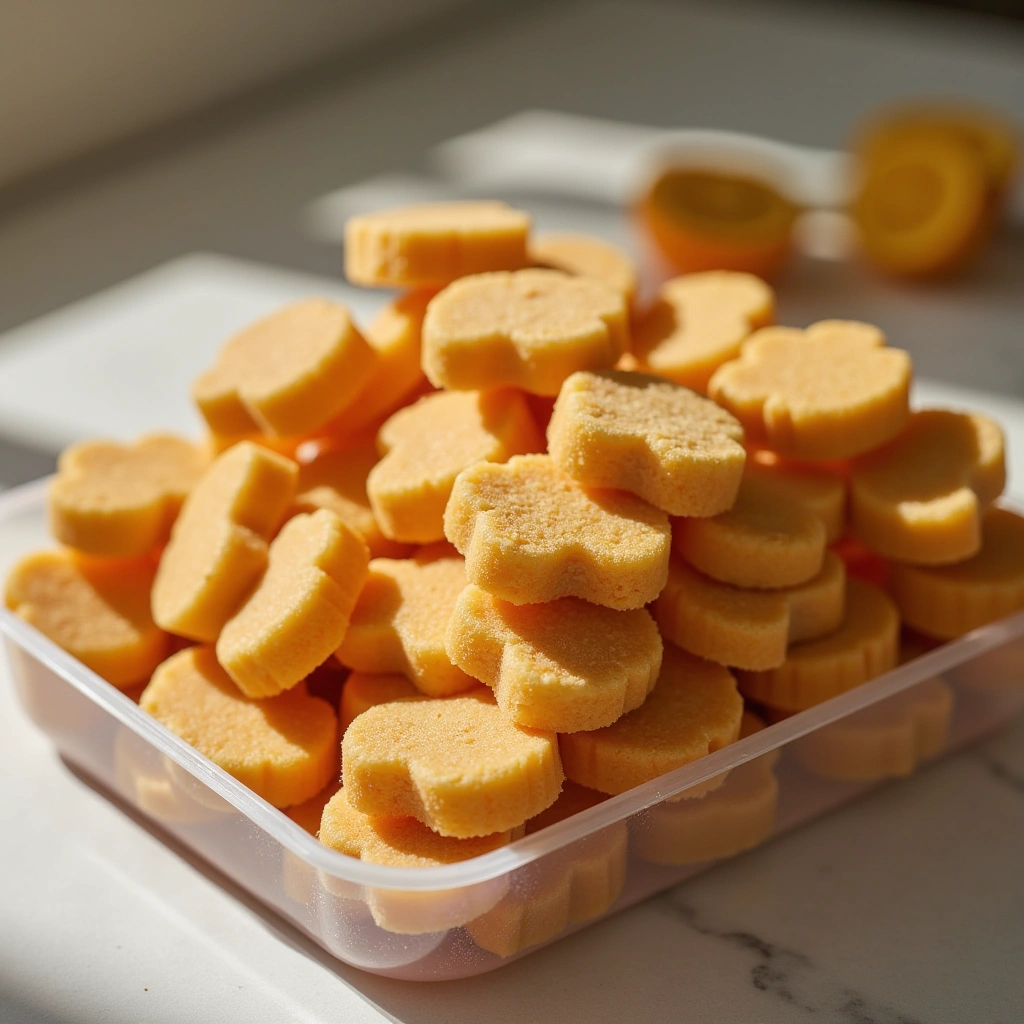
Introducing frozen treats requires some care to avoid tummy upset:
- Start with small portions.
- Observe for any allergic reactions.
- Avoid giving too many at once to prevent diarrhea.
- Always supervise your dog while eating frozen treats to prevent choking.
Consult your vet if your dog has special dietary needs or health issues.
Storage and Handling Tips for Frozen Dog Treats
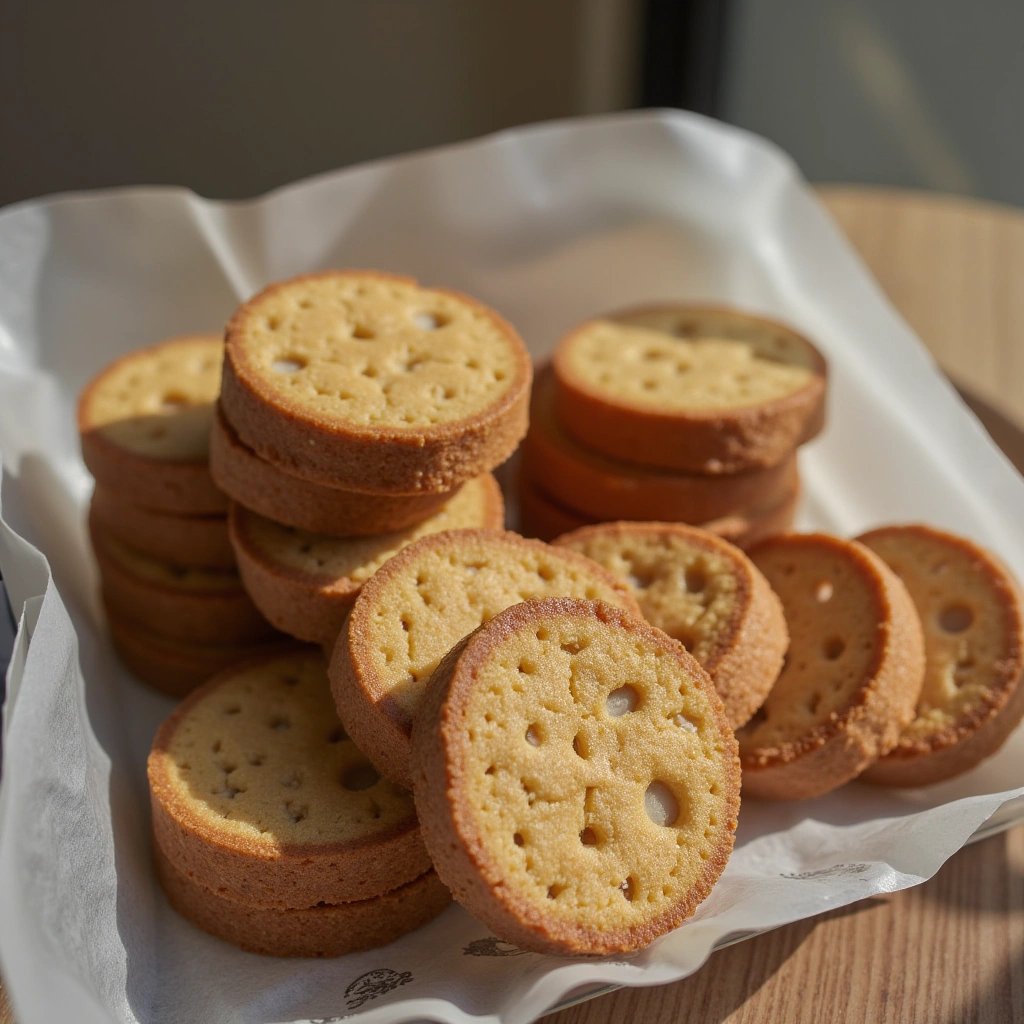
Proper storage ensures treats stay fresh and safe:
- Use airtight containers or freezer bags.
- Label with date to track freshness (best within 2-3 weeks).
- Thaw partially before handing to older dogs to avoid jaw strain.
- Keep treats away from human food to prevent contamination.
Common Mistakes to Avoid with Frozen Dog Training Treats
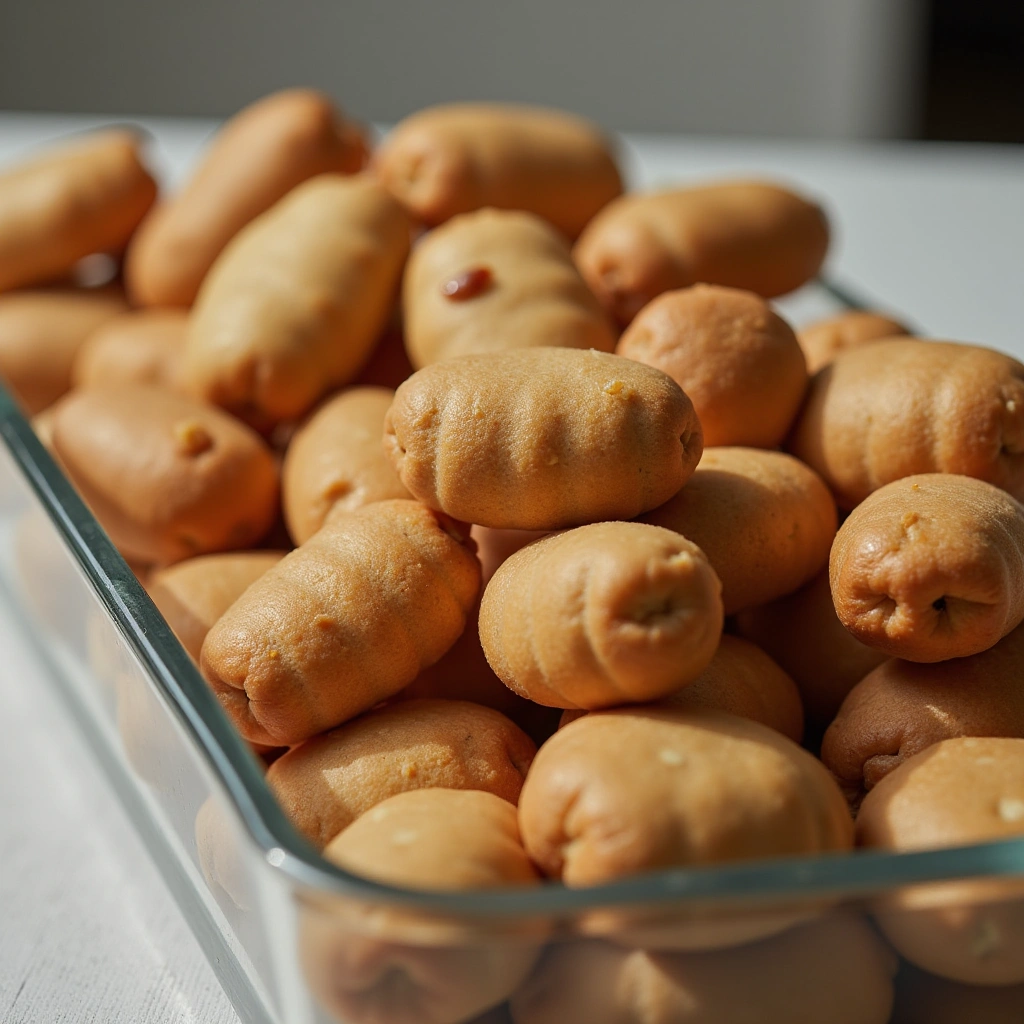
Here are some pitfalls to watch out for:
- Using unsafe ingredients like xylitol or chocolate.
- Overfeeding and causing weight gain.
- Ignoring size portioning, leading to choking hazards.
- Not supervising during treat consumption.
- Expecting frozen treats to replace balanced meals.
Avoid these mistakes to make the most of your frozen training treats.
Frequently Asked Questions About Frozen Dog Training Treats
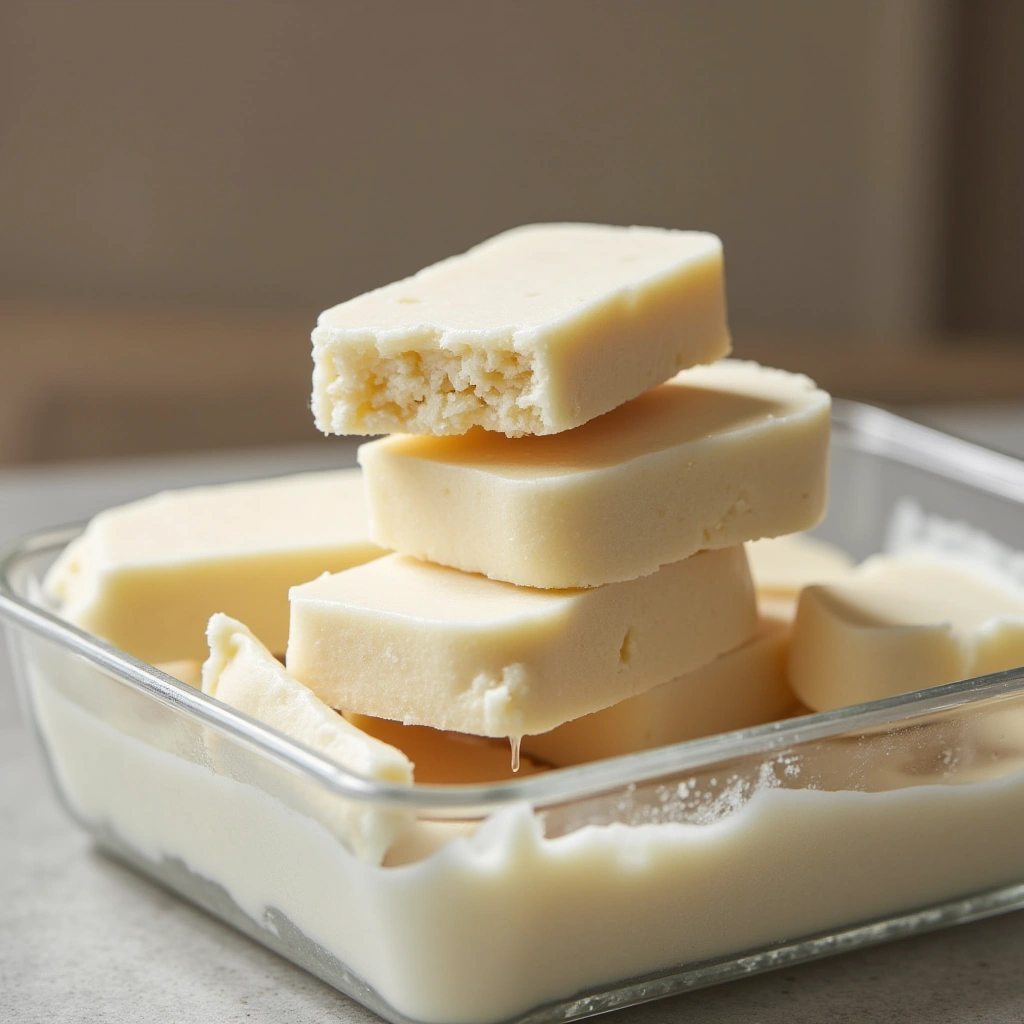
Q: Can I use regular yogurt for frozen treats?
A: Use plain Greek yogurt without sweeteners or artificial flavors to avoid digestive upset.
Q: How long can I store homemade frozen treats?
A: Ideally, keep them for 2-3 weeks in the freezer for best quality.
Q: Are frozen treats suitable for all dog breeds?
A: Yes, but adjust portion sizes according to your dog’s size and health.
Q: Can frozen treats help with anxiety?
A: Yes, the chewing and cold sensation can have a calming effect.
Final Thoughts on Frozen Dog Training Treats
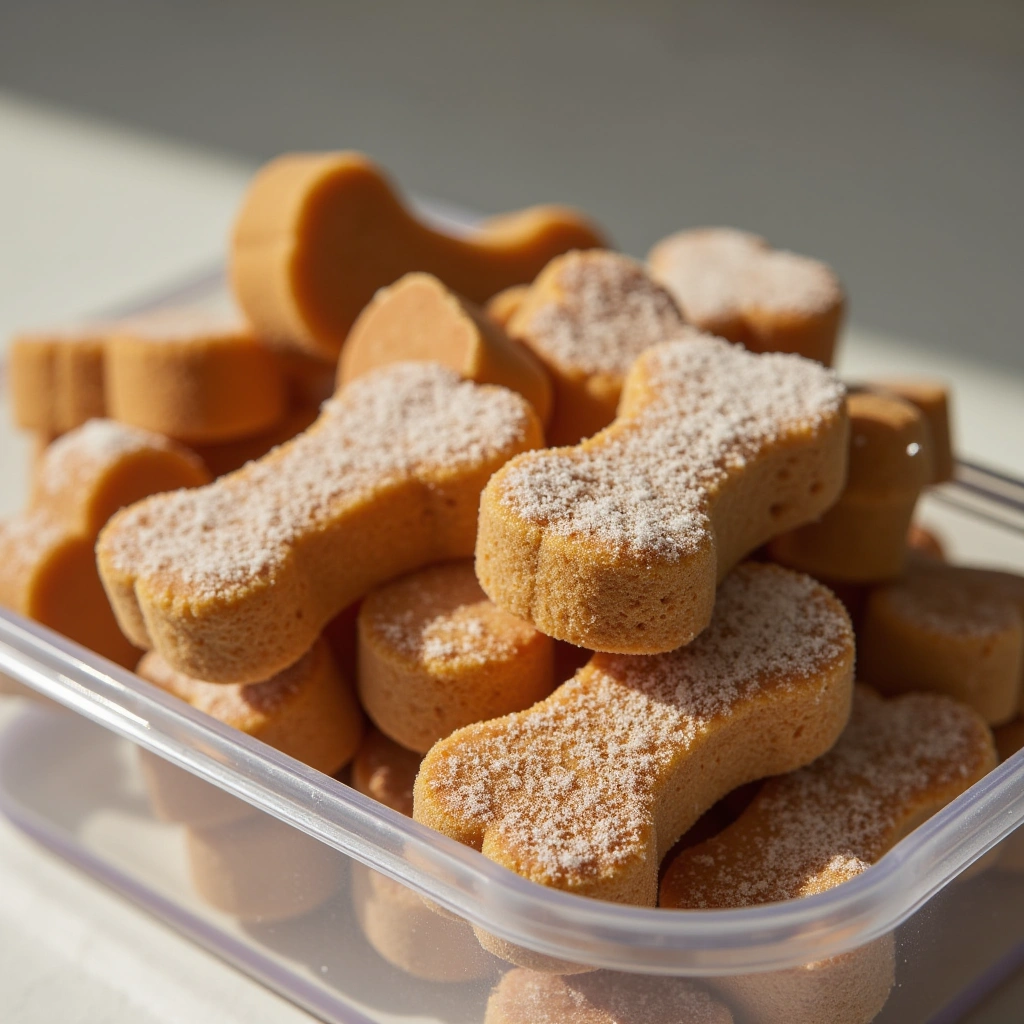
Frozen dog training treats offer a refreshing, tasty, and healthy way to reward your dog during training sessions. By slowing down treat consumption and providing nutritional benefits, they support better learning and overall well-being. Whether you make them at home or buy them commercially, these treats are a fantastic addition to your training toolkit.
I hope this guide gave you clear, practical knowledge to start using frozen dog training treats confidently. Remember, the key is to choose safe ingredients, monitor portions, and enjoy the bonding time with your furry friend. Happy training!
Using frozen dog training treats can transform your dog’s learning journey—so why not give them a try today?
