
When it comes to feeding our dogs, I know how important it is to find reliable, accurate information about nutritious homemade dog food. After years of researching and consulting with pet nutrition experts, I’m confident I can help you understand exactly what goes into making healthy meals for your dog at home.
So, what is nutritious homemade dog food? Nutritious homemade dog food consists of balanced, carefully prepared meals made from wholesome ingredients including proteins, vegetables, and grains, designed to meet your dog’s dietary needs without relying on commercial dog food brands. This approach ensures freshness, control over ingredients, and can cater to specific health requirements.
If you’ve ever wondered how to start cooking for your pup, what ingredients to use, or how to avoid nutritional pitfalls, keep reading. I’ll walk you through everything from ingredient choices to portion sizes, plus tips for customizing meals based on your dog’s breed, age, and health.
Why Choose Homemade Dog Food?

Making homemade dog food might seem like a big commitment, but it offers benefits that commercial products often can’t match. For one, you control every ingredient, which means no fillers, artificial preservatives, or allergens your dog might react to. Homemade meals can improve digestion, boost energy, and support a shiny coat and healthy weight.
When you cook for your dog, you also get to customize recipes to suit their unique needs—whether your dog has allergies, sensitivities, or special dietary requirements due to age or illness. It’s not just about health; it’s also about strengthening the bond with your pet through thoughtful care.
Planning meals might sound overwhelming, but it’s easier than you think once you understand the basics of balanced canine nutrition. Let’s dive into the key components of a nutritious homemade dog food recipe.
Understanding Canine Nutritional Needs
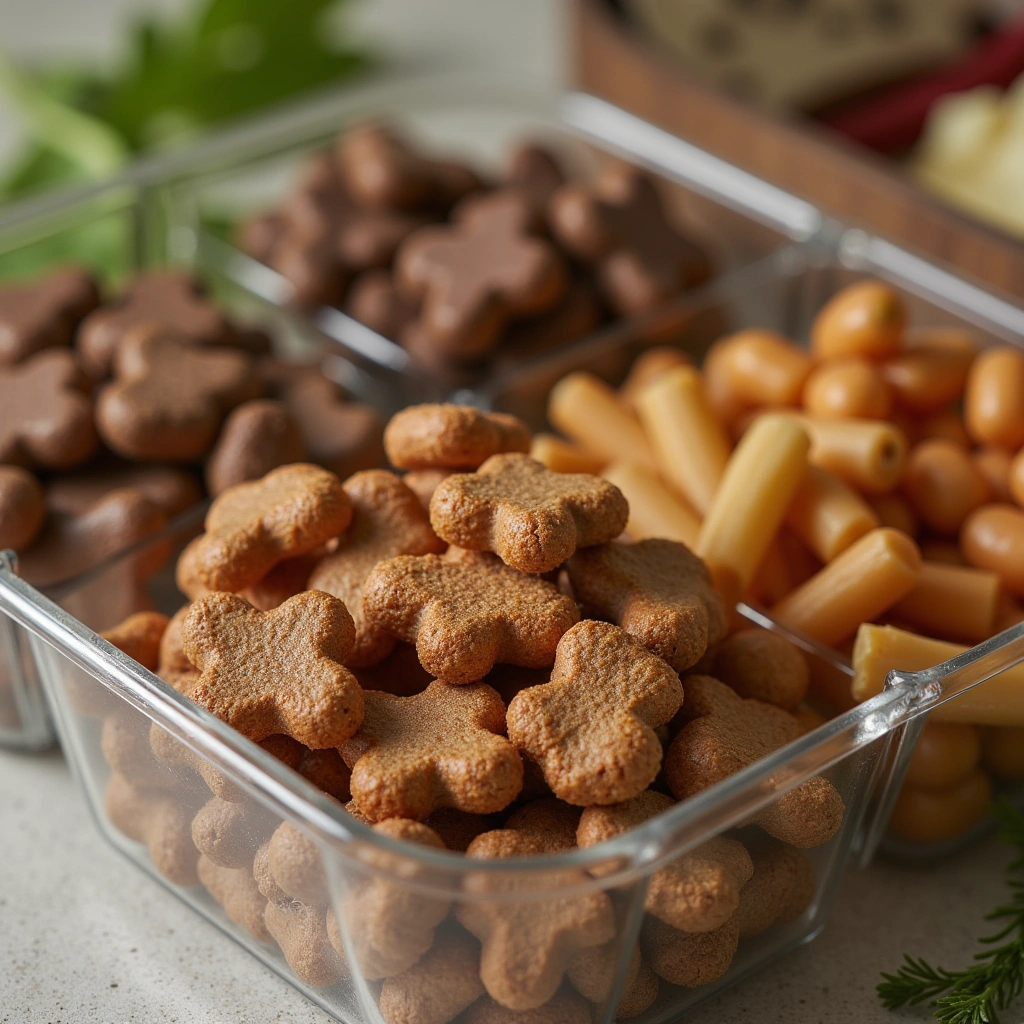
Dogs require a balanced diet containing proteins, carbohydrates, fats, vitamins, and minerals to stay healthy. Here’s a quick breakdown:
- Proteins: The cornerstone of your dog’s diet; essential for muscle maintenance and energy.
- Carbohydrates: Provide energy and fiber for good digestion.
- Fats: Important for energy, skin, and coat health.
- Vitamins and Minerals: Support immune function, bone health, and metabolism.
Unlike humans, dogs have specific ratios they need, such as higher protein and fat levels and controlled carbs. Too much or too little of any nutrient can cause health issues, so precision is important.
Essential Ingredients for Nutritious Homemade Dog Food
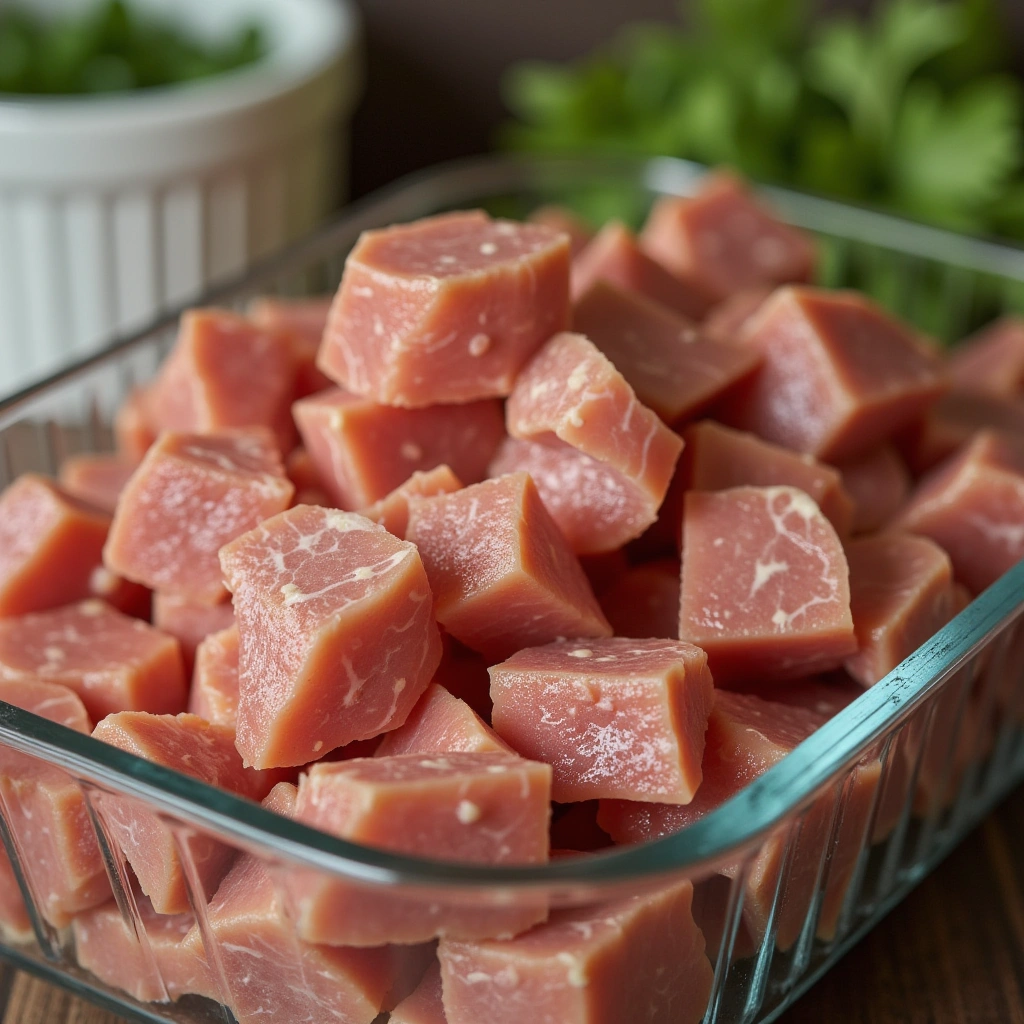
When preparing your own dog food, select high-quality ingredients that cover these nutrient categories:
- Lean Meats: Chicken, turkey, lean beef, and fish provide essential amino acids.
- Vegetables: Carrots, green beans, pumpkin, spinach, and peas offer fiber and vitamins.
- Grains: Brown rice, quinoa, oats add digestible energy and fiber.
- Healthy Fats: Olive oil, fish oil, and flaxseed oil support coat and brain health.
- Supplements: Calcium, taurine, and vitamins might be necessary depending on the recipe.
Avoid toxic foods like onions, garlic, grapes, and chocolate, which can be harmful or fatal to dogs.
How to Create Balanced Homemade Dog Food Recipes
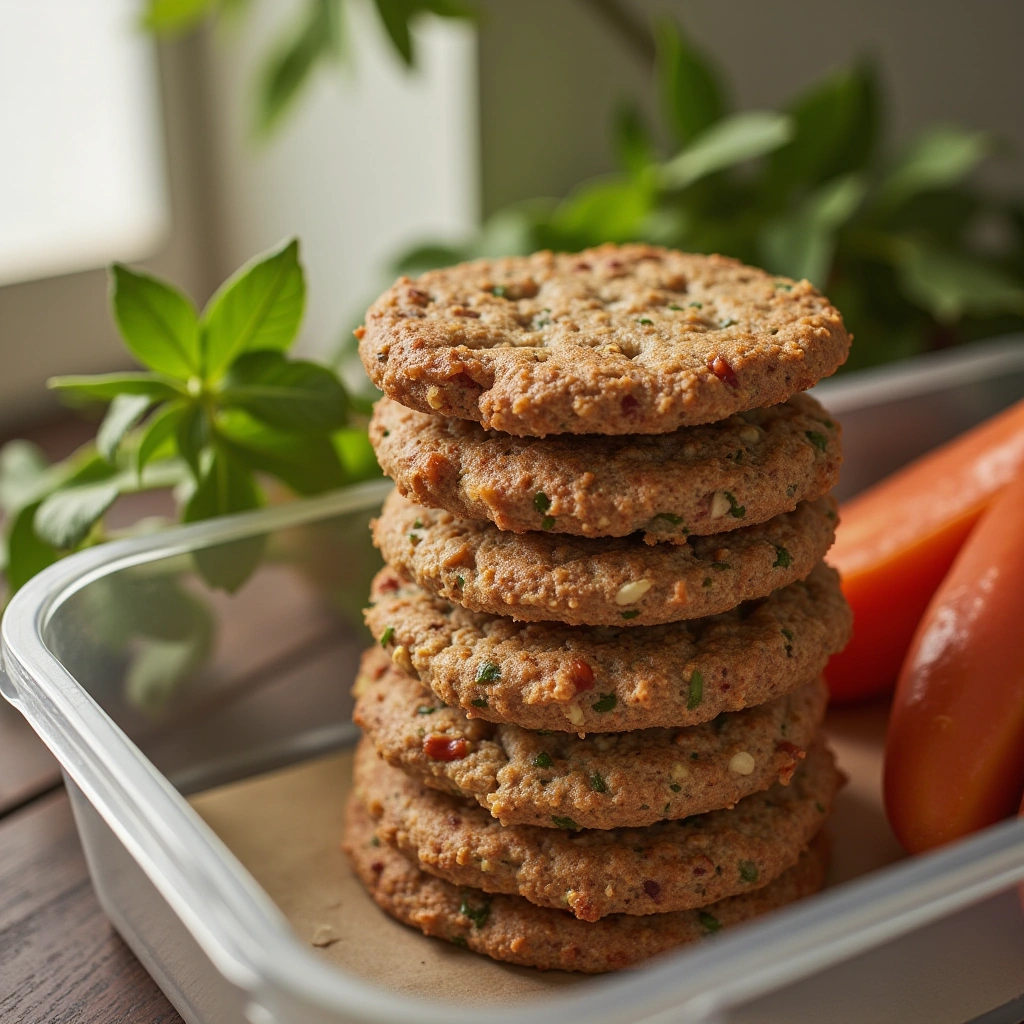
Creating balanced recipes requires understanding the right proportions and nutrient sources. A good starting point is:
- 40% protein (meat or fish)
- 50% vegetables and grains
- 10% healthy fats and supplements
For example, a meal could include grilled chicken, steamed carrots and peas, brown rice, and a drizzle of fish oil. Using a kitchen scale to measure portions helps maintain consistency and avoid overfeeding.
Cooking Tips for Homemade Dog Food
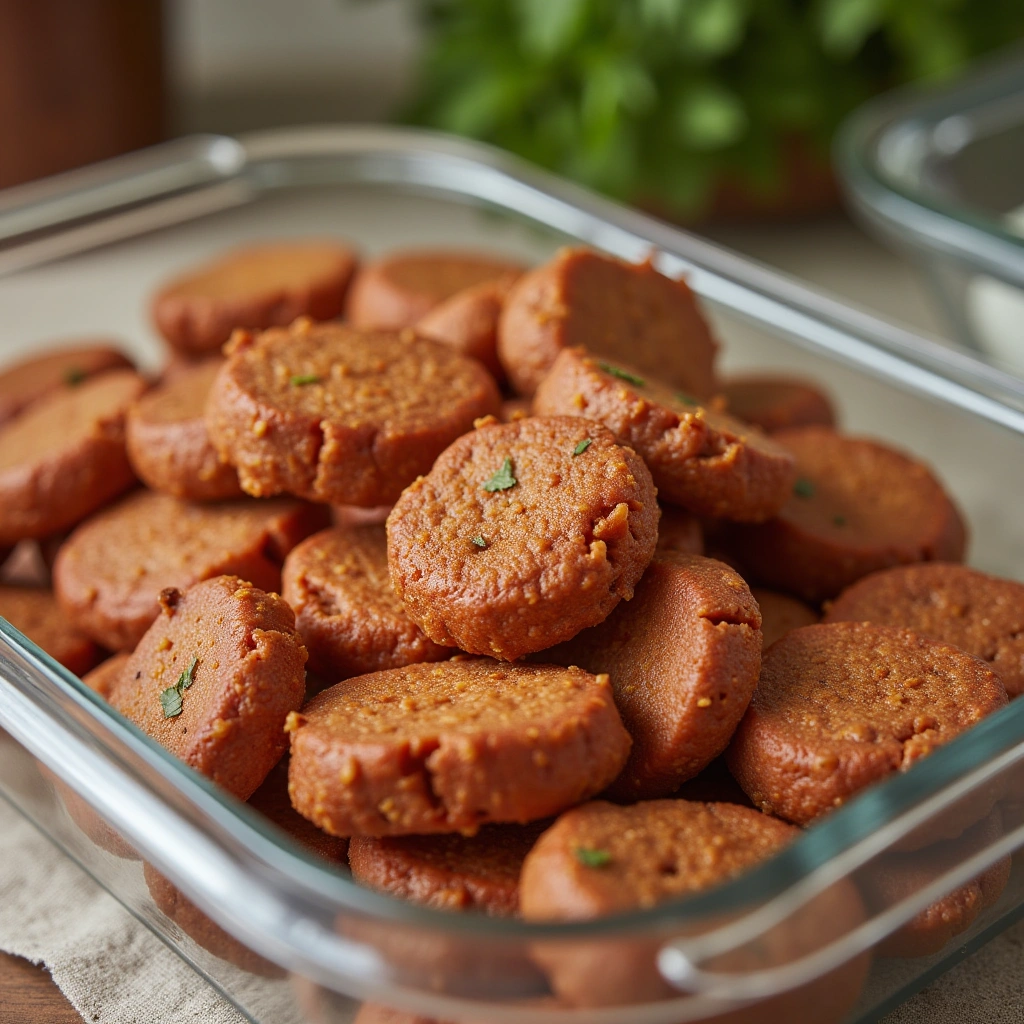
- Cook meats thoroughly to kill harmful bacteria.
- Steam or boil vegetables lightly to retain nutrients and improve digestibility.
- Avoid seasoning with salt, pepper, or spices; dogs don’t need these, and some can be toxic.
- Prepare in batches and freeze portions for convenience.
- Introduce new foods slowly to monitor your dog for allergies or digestive upset.
Tailoring Homemade Dog Food to Your Dog’s Specific Needs
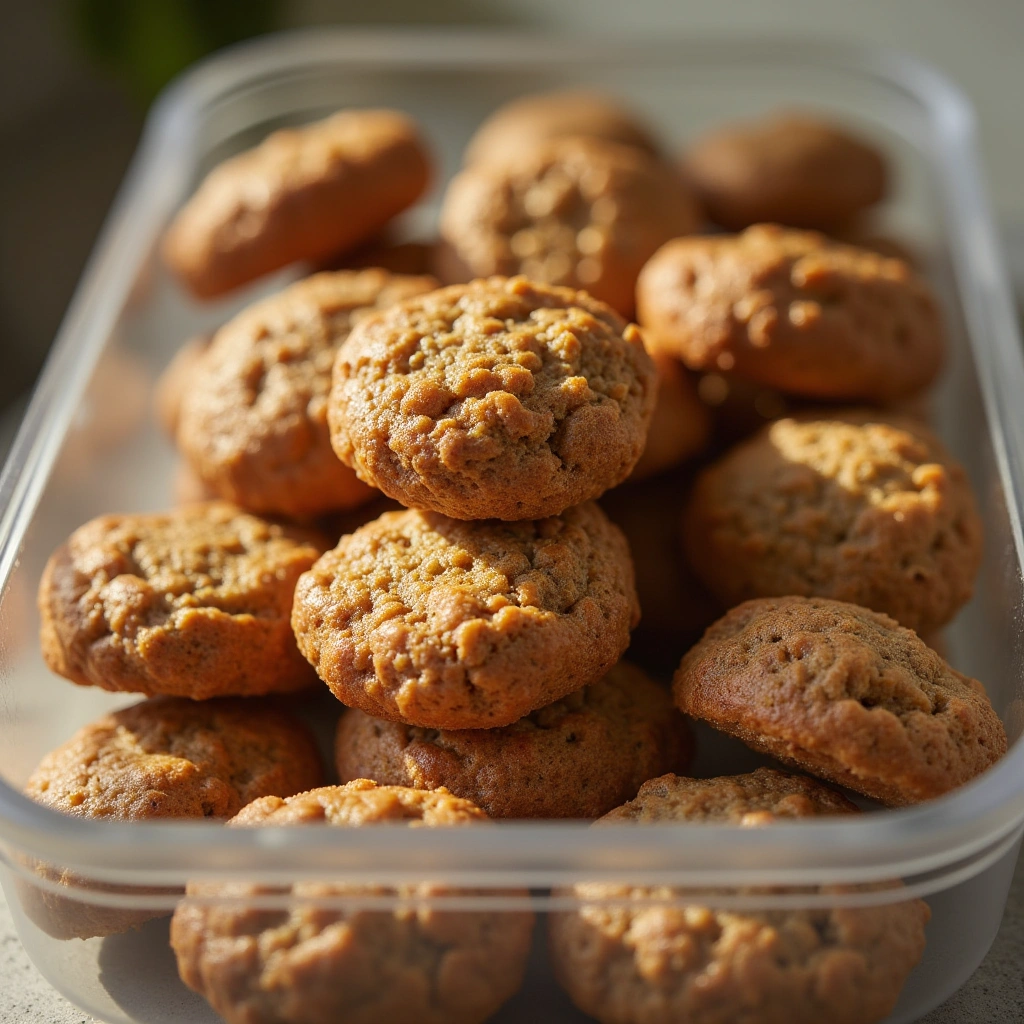
Different dogs have different nutritional requirements:
- Puppies: Need more protein and calories for growth.
- Adult dogs: Require maintenance diets balanced for activity level.
- Senior dogs: Benefit from lower calories but higher fiber and joint-supporting nutrients.
- Dogs with health issues: May need specialized diets (e.g., kidney-friendly, allergy-free).
Consult your veterinarian or a pet nutritionist before making major changes, especially if your dog has medical conditions.
Common Mistakes to Avoid When Feeding Homemade Dog Food
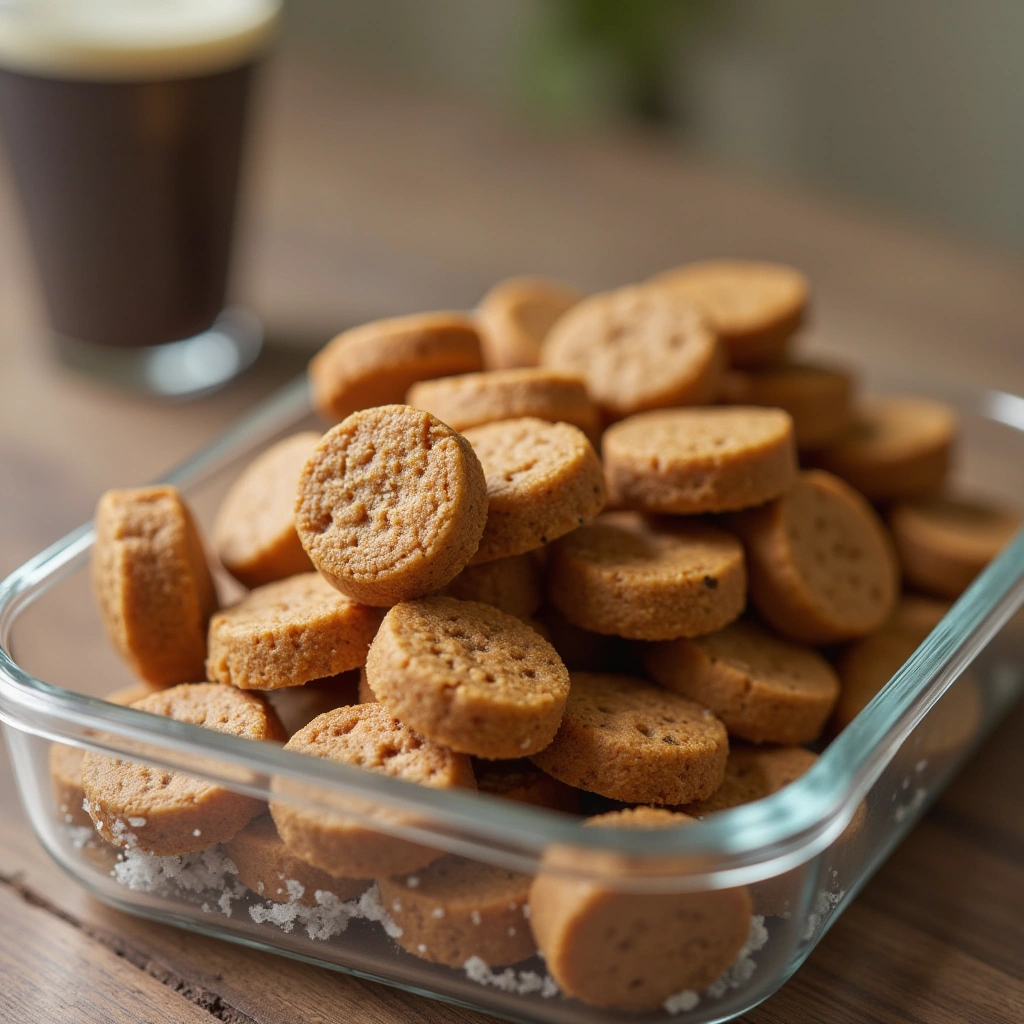
Many dog owners make mistakes unintentionally, such as:
- Imbalanced meals: Too much protein or missing essential nutrients.
- Ignoring supplements: Dogs often need added calcium or vitamins.
- Feeding toxic foods: Not knowing which human foods are dangerous.
- Overfeeding: Leading to obesity and health problems.
- Sudden diet changes: Causing stomach upset or food refusal.
Being mindful of these can save your dog from nutrition-related issues.
How to Store and Serve Homemade Dog Food Safely
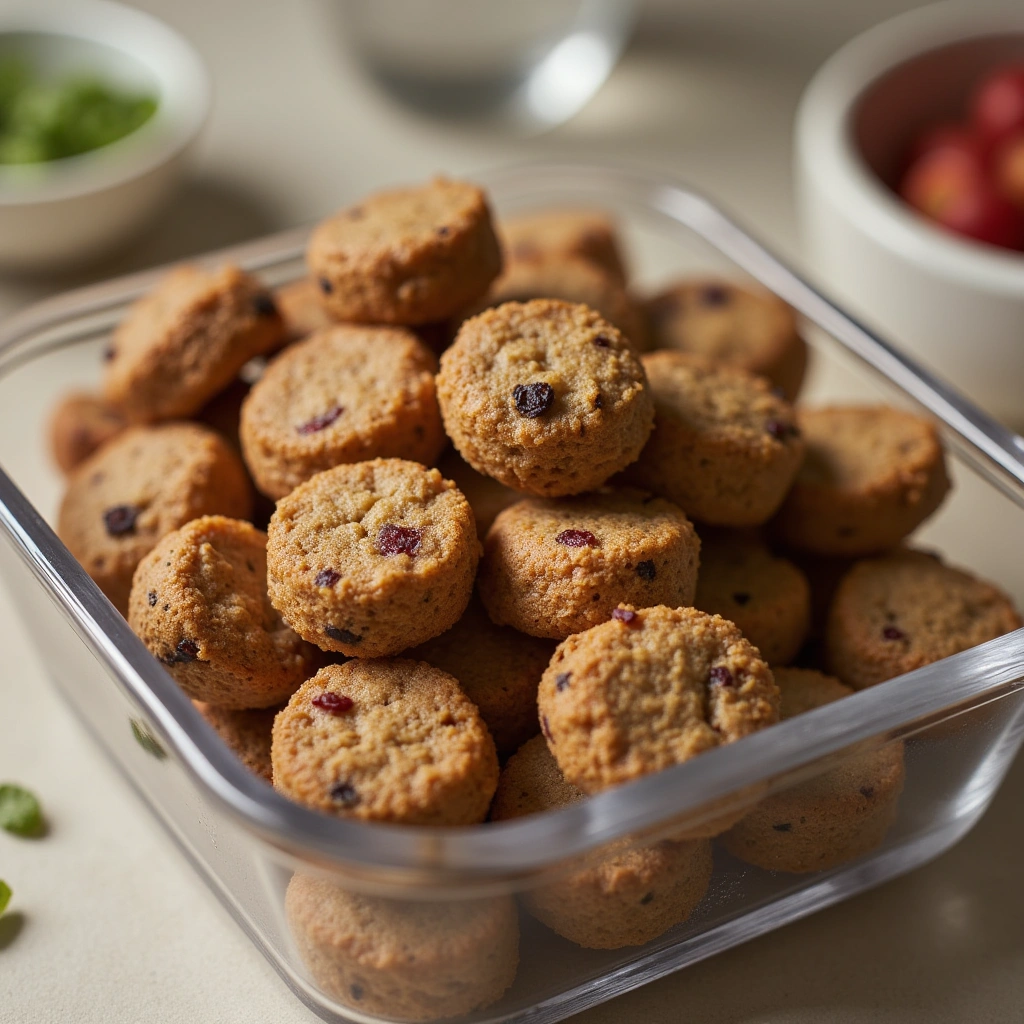
Proper storage is key to keeping homemade dog food fresh and safe:
- Refrigerate leftovers in airtight containers for up to 3 days.
- Freeze portions for up to 2-3 months.
- Thaw frozen meals in the fridge overnight, never at room temperature.
- Serve meals at room temperature to avoid digestive discomfort.
Frequently Asked Questions About Homemade Dog Food
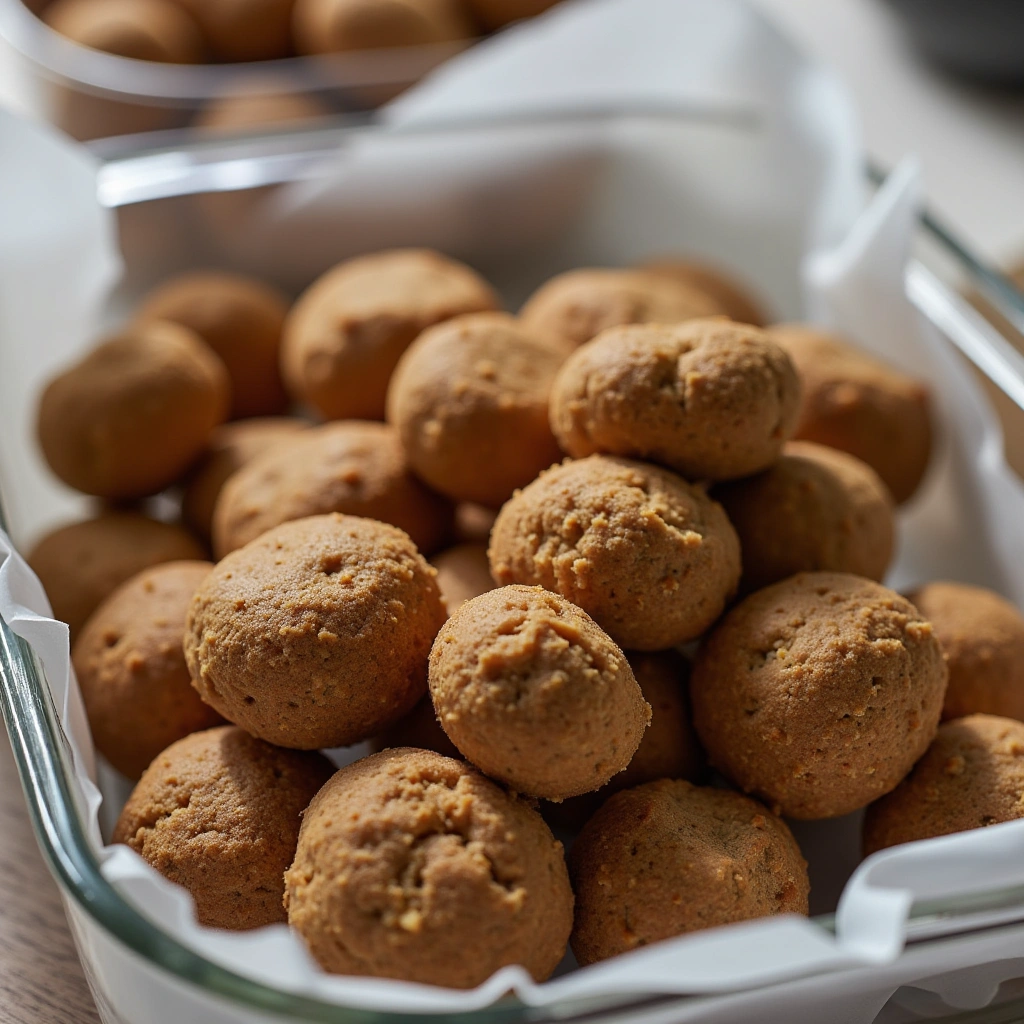
Q: Can homemade dog food replace commercial dog food completely?
A: Yes, if recipes are balanced and meet all nutritional needs, homemade dog food can replace commercial diets.
Q: How do I transition my dog to homemade food?
A: Gradually mix increasing amounts of homemade food with current food over 7-10 days.
Q: What if my dog is a picky eater?
A: Try different protein sources, textures, and mix-ins like a small amount of broth.
Nutritional Supplements for Homemade Dog Food
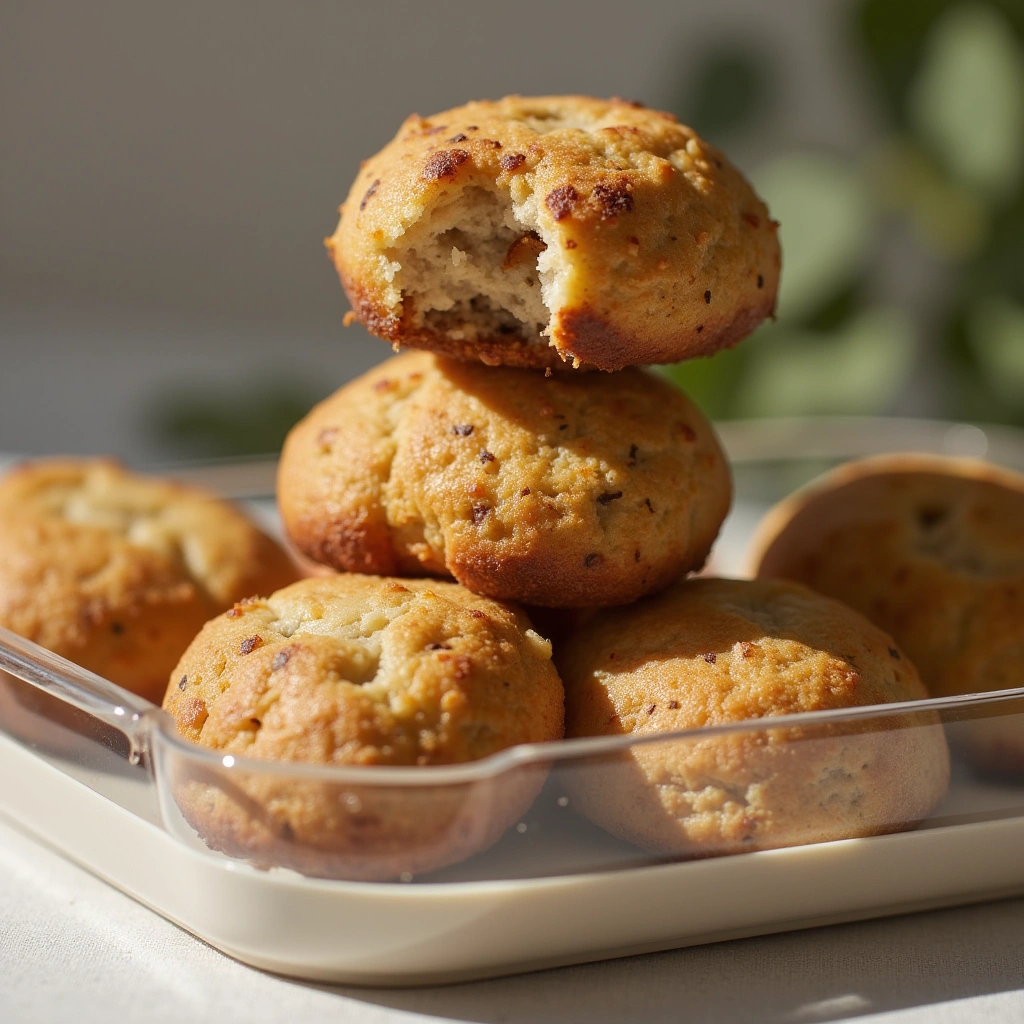
Sometimes, homemade diets need a bit of a boost. Common supplements include:
- Calcium: Essential for bones and teeth; often added as ground eggshells or calcium carbonate.
- Fish oil: Rich in omega-3 fatty acids for coat and brain health.
- Multivitamins: To cover any gaps.
- Taurine: Important for heart health, especially in some breeds.
Always consult a vet before adding supplements to avoid overdosing.
Benefits Beyond Nutrition: Bonding and Quality Control
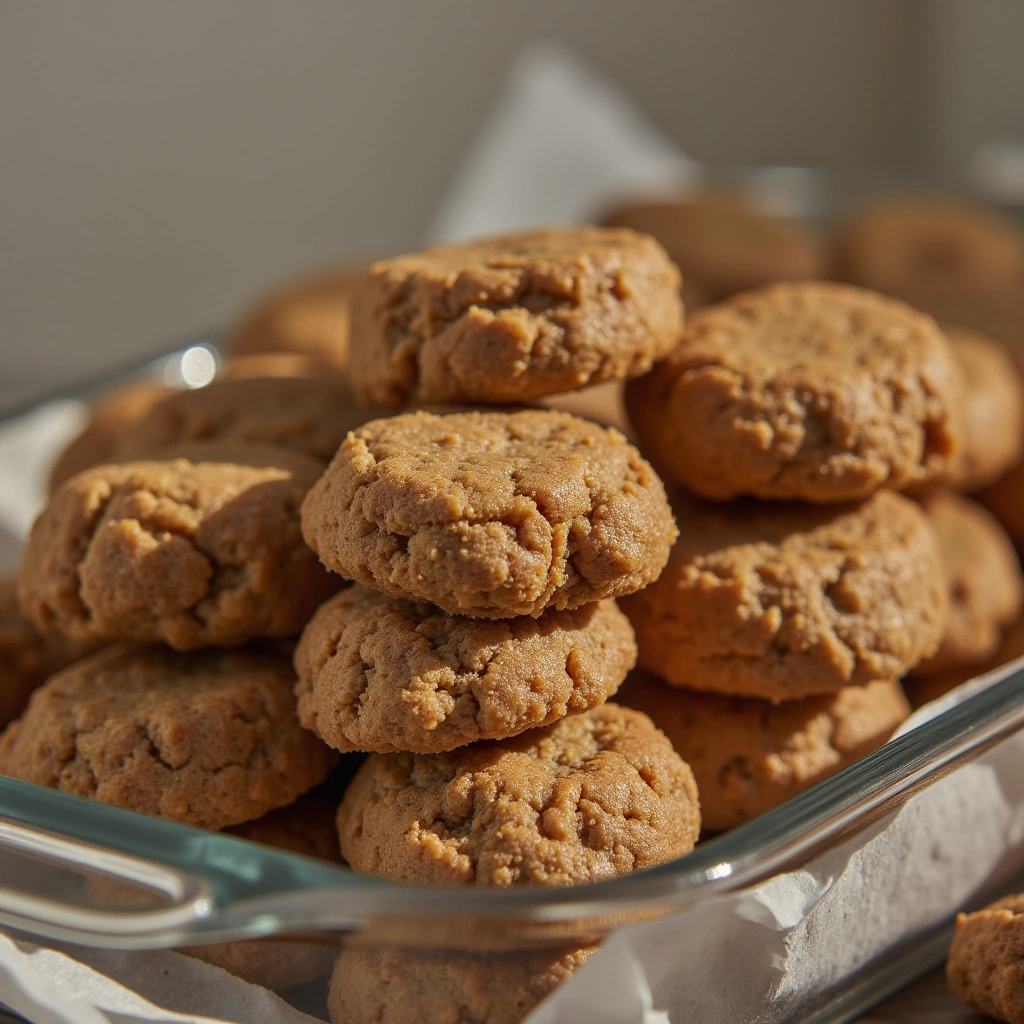
Feeding homemade dog food isn’t just about nutrition. It’s a way to connect with your dog, knowing exactly what they’re eating. Many owners report improved pet behavior, better breath, and more energy after switching to homemade meals. Plus, it gives peace of mind knowing you’re avoiding questionable ingredients found in some commercial products.
Conclusion
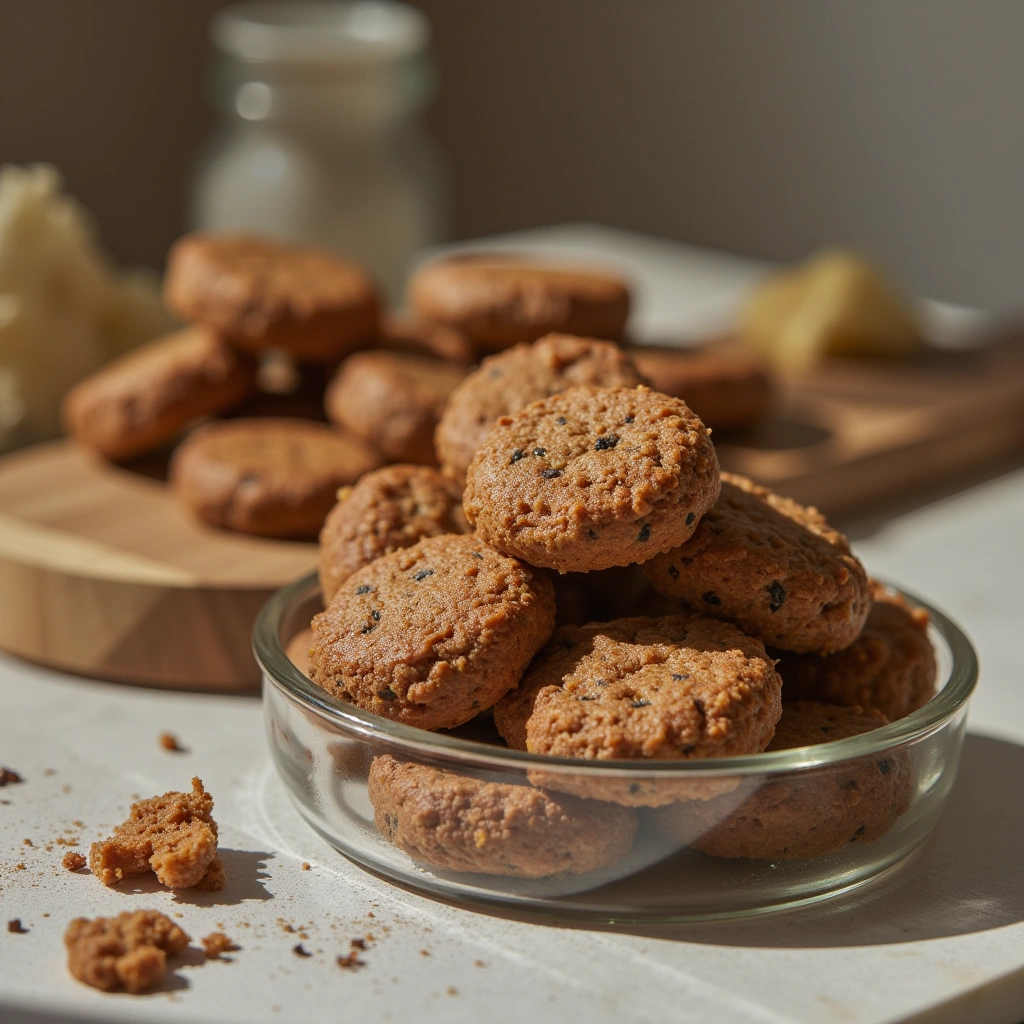
Nutritious homemade dog food is a fantastic way to give your dog the best possible diet tailored to their individual needs. By understanding the right ingredients, balanced portions, and safe preparation methods, you can confidently create meals that support your dog’s health and happiness. Remember to consult professionals when in doubt and introduce new foods gradually.
Feeding your furry friend nutritious homemade dog food can transform their well-being and deepen your bond. Start experimenting with recipes today and watch your dog thrive on meals made with love and care.
Nutritious homemade dog food is the key to feeding your dog with wholesome, balanced meals that promote health and longevity. With the right knowledge and preparation, you can provide your dog with meals that are not only tasty but truly nourishing.
