
Hey friends, if you’ve ever been worried about feeding your diabetic dog the right food, you’re not alone. I’ve spent a ton of time researching and cooking up recipes that really work, so I can confidently say I’ve got the most accurate info on homemade diabetic dog food right here.
So what exactly is homemade diabetic dog food? It’s a specially planned diet that helps manage your dog’s blood sugar levels by using balanced ingredients low in sugar and carbs but rich in protein and fiber. Feeding your dog this way helps control their diabetes naturally and keeps them happy and healthy.
Stick around because I’m going to break down everything you need to know—from the best ingredients to avoid, to foolproof recipes you can whip up at home. You’ll also get tips to tailor meals for dogs with different needs and how to transition your furry friend smoothly to homemade food.
Why Choose Homemade Diabetic Dog Food?
Making homemade diabetic dog food puts you in the driver’s seat when it comes to your dog’s health. Commercial diabetic dog foods can be expensive and sometimes include fillers or additives that aren’t ideal. When you cook at home, you know exactly what goes into each meal — fresh, wholesome ingredients without any hidden sugars or preservatives.
Dogs with diabetes need food that helps regulate blood glucose without causing spikes. Homemade meals allow you to customize portions and ingredients based on your dog’s specific condition, weight, and activity level. Plus, it can be a fun and rewarding way to bond with your pup.
Homemade diabetic dog food is not just about cutting carbs but also about balancing nutrients to support overall health — from lean proteins to fiber-rich veggies and healthy fats. This approach can improve your dog’s energy, weight management, and even their coat condition.
Understanding Your Dog’s Nutritional Needs with Diabetes
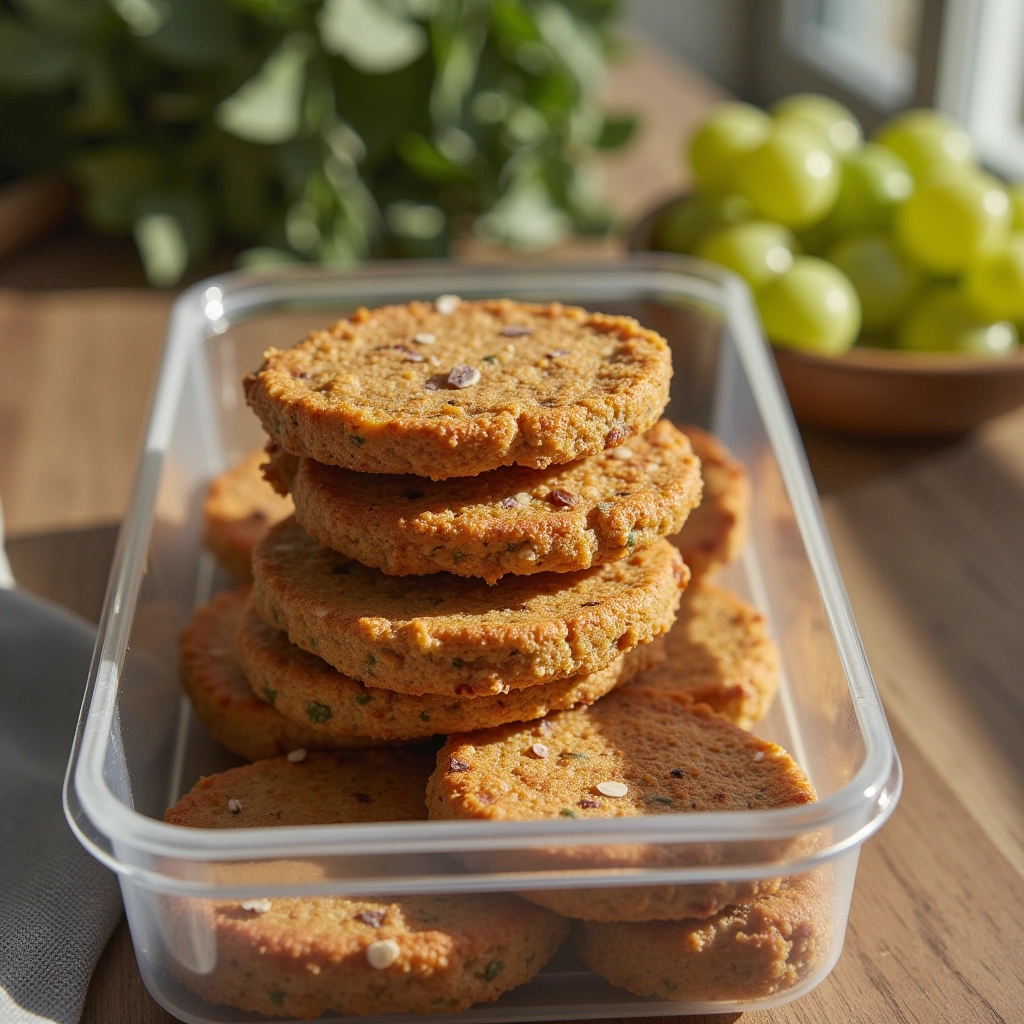
Before you dive into cooking, it’s essential to grasp what diabetic dogs need nutritionally:
- Low Carbohydrates: Carbs affect blood sugar the most, so limit grains and starchy veggies.
- High-Quality Protein: Helps maintain muscle mass and keeps your dog feeling full.
- Fiber: Slows sugar absorption and aids digestion.
- Healthy Fats: Provide energy and support cell health.
- Moderate Calories: Avoid weight gain, which worsens diabetes.
Avoid ingredients like corn, wheat, soy, potatoes, and sugary fruits. Instead, focus on lean meats, green beans, pumpkin, and berries in moderation. Always discuss any diet changes with your vet to ensure your dog’s unique health needs are met.
Essential Ingredients for Homemade Diabetic Dog Food
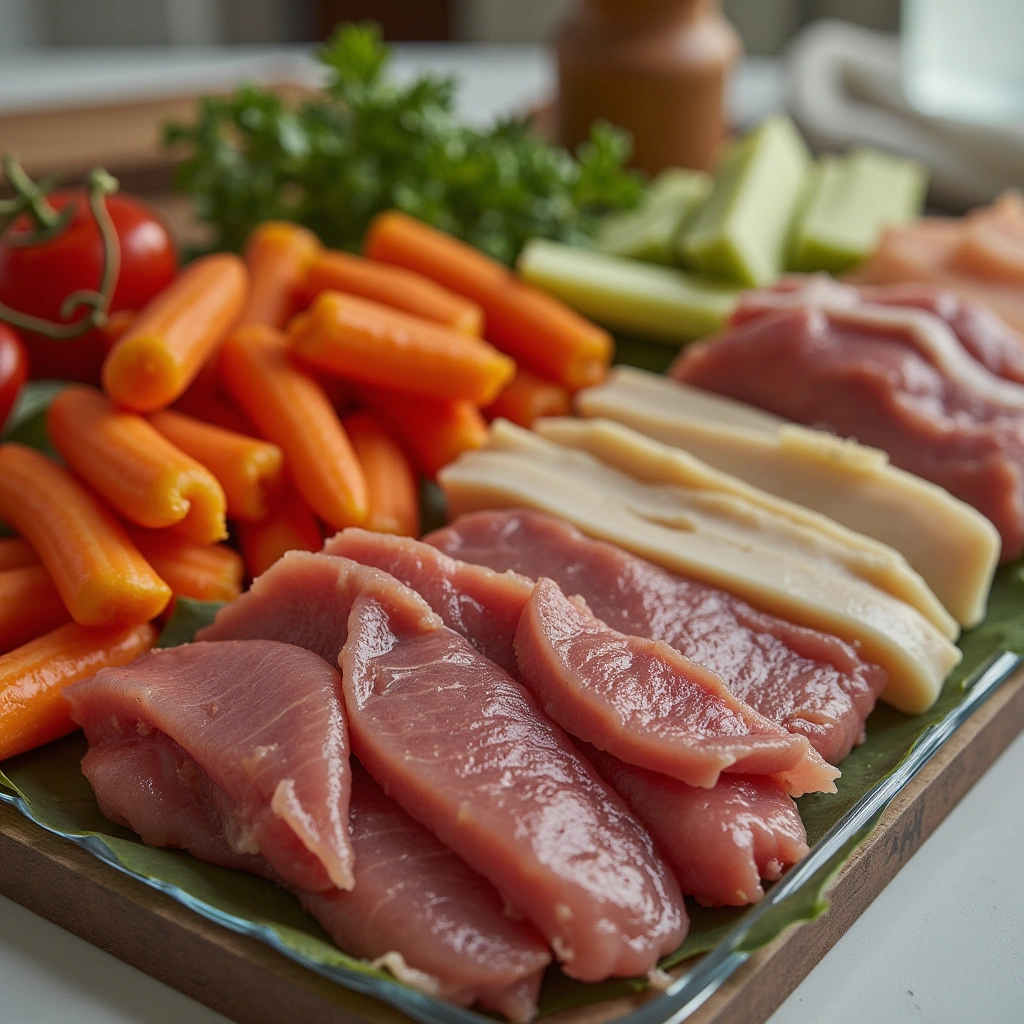
Picking the right ingredients is key. Here’s a quick reference for what to include and what to skip:
Include:
- Lean meats: Chicken breast, turkey, lean beef, fish
- Non-starchy vegetables: Spinach, broccoli, green beans, zucchini
- Fiber sources: Pumpkin, chia seeds, flax seeds
- Healthy fats: Fish oil, olive oil, coconut oil (in moderation)
- Low glycemic fruits: Blueberries, apples (without seeds), pears (in small amounts)
Avoid:
- Grains like corn, wheat, rice
- Starchy vegetables like potatoes and peas
- Sugary fruits like bananas, grapes
- Processed meats or foods with additives
Remember, homemade diabetic dog food should focus on balance and moderation to keep blood sugar steady.
How to Prepare Homemade Diabetic Dog Food: Step-by-Step Guide
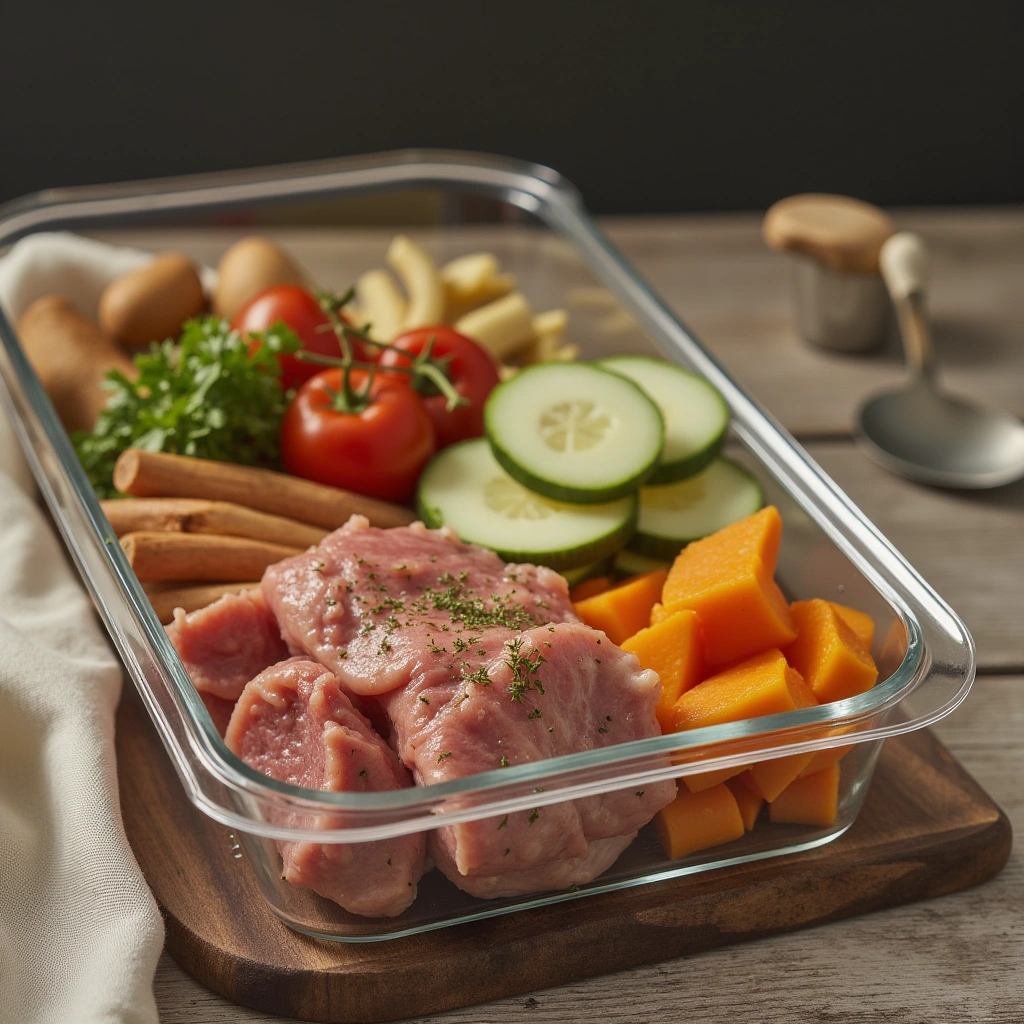
Cooking for your diabetic dog doesn’t have to be complicated. Here’s how I do it:
- Choose your protein: Start with a lean meat like chicken or turkey, cooked thoroughly.
- Add veggies: Steam or boil non-starchy vegetables until soft.
- Include fiber: Mix in pumpkin puree or flax seeds to slow sugar absorption.
- Add healthy fats: Drizzle a bit of fish oil or coconut oil for extra nutrition.
- Portion control: Measure meals based on your vet’s guidance to avoid overfeeding.
- Mix and serve: Combine all ingredients, cool, and serve fresh or store in the fridge for up to 3 days.
Keeping it simple with fresh ingredients avoids hidden sugars and preservatives, which can harm diabetic dogs.
Sample Homemade Diabetic Dog Food Recipe
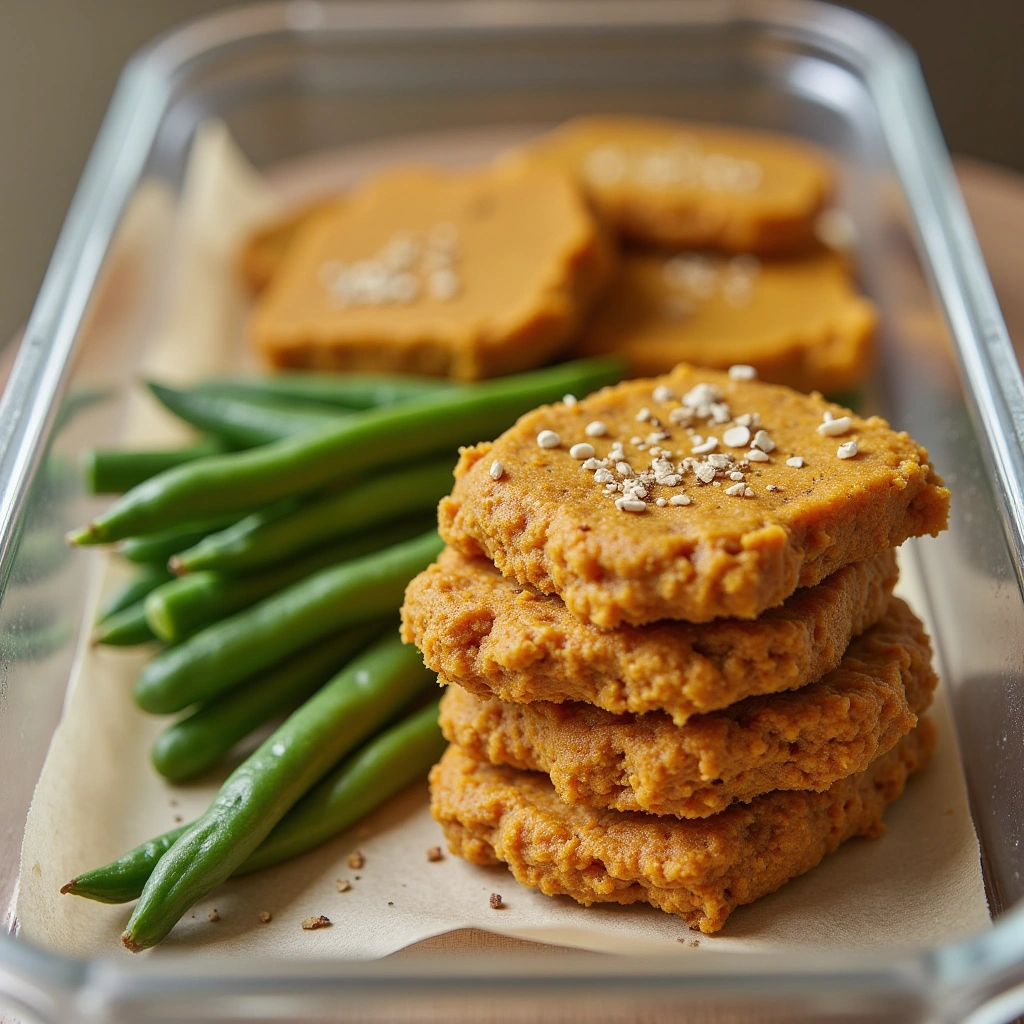
Here’s a recipe I use often that’s balanced and easy:
Ingredients:
- 1 pound ground turkey (lean)
- 1 cup steamed green beans
- ½ cup pumpkin puree (no sugar added)
- ¼ cup cooked quinoa (optional, for fiber)
- 1 tablespoon olive oil
Instructions:
- Cook ground turkey in a pan until no longer pink.
- Steam green beans and quinoa until soft.
- Mix turkey, green beans, quinoa, and pumpkin in a bowl.
- Stir in olive oil.
- Let cool before serving.
This recipe keeps carbs low, boosts fiber, and gives your dog a tasty, satisfying meal.
Transitioning Your Dog to Homemade Diabetic Dog Food
Switching your dog’s diet suddenly can upset their stomach, so do it gradually:
- Start by mixing 25% homemade food with 75% old food.
- Over 7-10 days, increase homemade food to 50%, then 75%, then 100%.
- Watch for any digestive issues like diarrhea or vomiting.
- Keep regular vet check-ups to monitor blood sugar and adjust portions.
Patience is key. Your dog needs time to adjust so their blood sugar remains stable.
Monitoring Your Dog’s Health on a Homemade Diet
Regular health checks are critical when managing diabetic dogs on homemade food:
- Blood sugar testing: At-home glucose monitoring or vet visits to ensure levels stay stable.
- Weight tracking: Diabetes and weight are linked; keep your dog at a healthy weight.
- Energy levels: Note any changes in activity or mood.
- Coat and skin: Healthy food often improves coat shine and reduces itching.
If you notice any negative changes, consult your vet immediately.
Common Mistakes to Avoid When Making Homemade Diabetic Dog Food

Even with the best intentions, it’s easy to slip up. Here are things to watch out for:
- Using too many carbs or starchy veggies that spike blood sugar.
- Overfeeding and ignoring portion sizes.
- Skipping fiber-rich ingredients that help control glucose.
- Feeding human junk food or treats with hidden sugars.
- Not consulting your vet before changing your dog’s diet.
Avoid these pitfalls to keep your diabetic dog’s health on track.
Benefits of Homemade Diabetic Dog Food Beyond Blood Sugar Control
Feeding homemade diabetic dog food does more than regulate glucose:
- Improved digestion: Fresh ingredients and fiber aid gut health.
- Better weight management: Tailored meals prevent obesity.
- Enhanced immune function: Nutrient-rich foods boost defense.
- Stronger bond: Preparing meals yourself creates deeper connection.
Your dog isn’t just eating; they’re thriving.
Customizing Diabetic Dog Food for Different Breeds and Sizes
Not all dogs are the same. Size, age, and breed affect dietary needs:
- Small breeds may need smaller portions but nutrient-dense meals.
- Large breeds may require more protein and balanced calories.
- Senior dogs might benefit from added joint-supporting supplements.
- Active working dogs may need more calories and proteins.
Consult your vet to personalize recipes that suit your dog’s specific lifestyle.
How to Safely Store Homemade Diabetic Dog Food
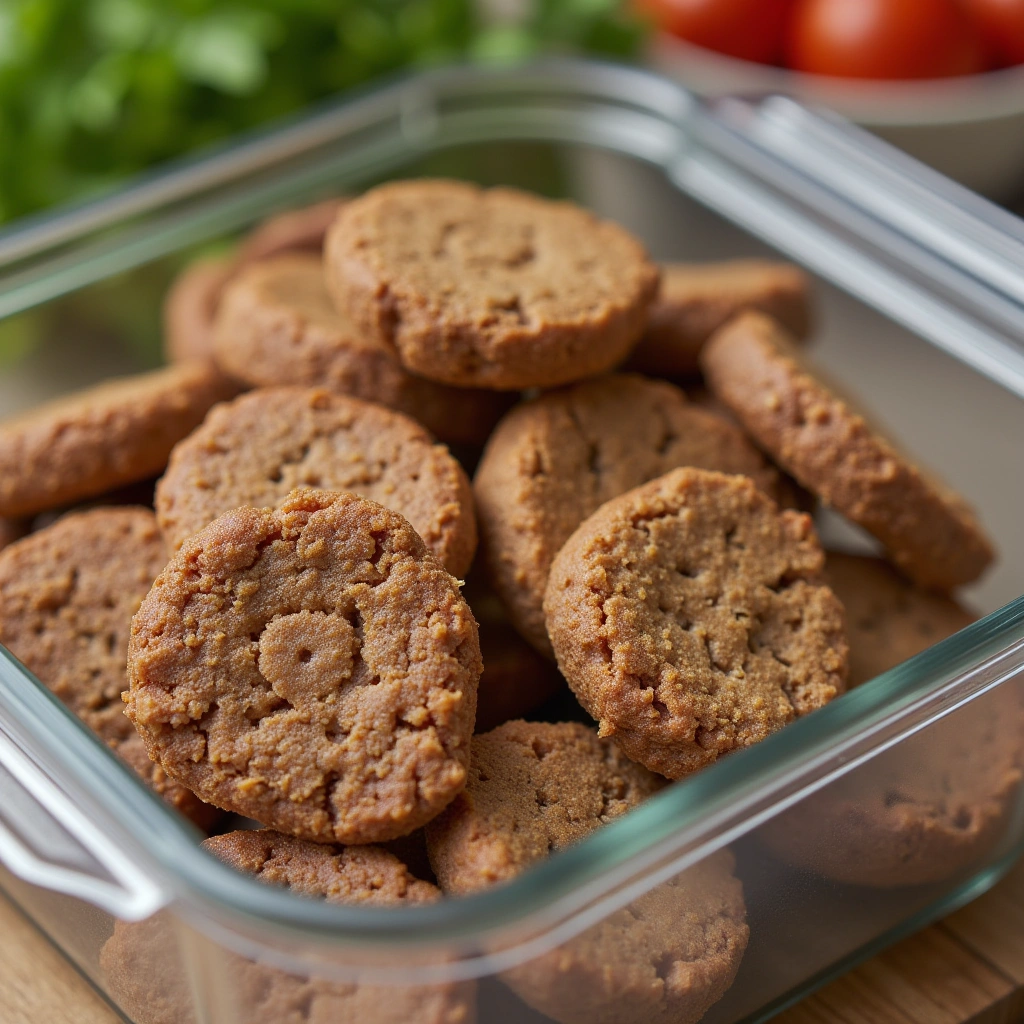
Proper storage keeps meals fresh and safe:
- Store in airtight containers in the fridge for up to 3 days.
- Freeze portions for up to 2 weeks; thaw in the fridge before serving.
- Label containers with dates to avoid spoilage.
- Avoid reheating multiple times; serve at room temperature or slightly warmed.
Safe handling prevents bacterial growth and protects your dog’s health.
Using Supplements in Homemade Diabetic Dog Food
Supplements can enhance homemade meals, but use wisely:
- Omega-3 fatty acids: For inflammation and coat health.
- Chromium and Vanadium: Trace minerals that may support glucose metabolism.
- Probiotics: Aid digestion and immune support.
- Multivitamins: Fill any nutritional gaps.
Always check with your vet before adding supplements to ensure safety.
Treats and Snacks for Diabetic Dogs: What Works?
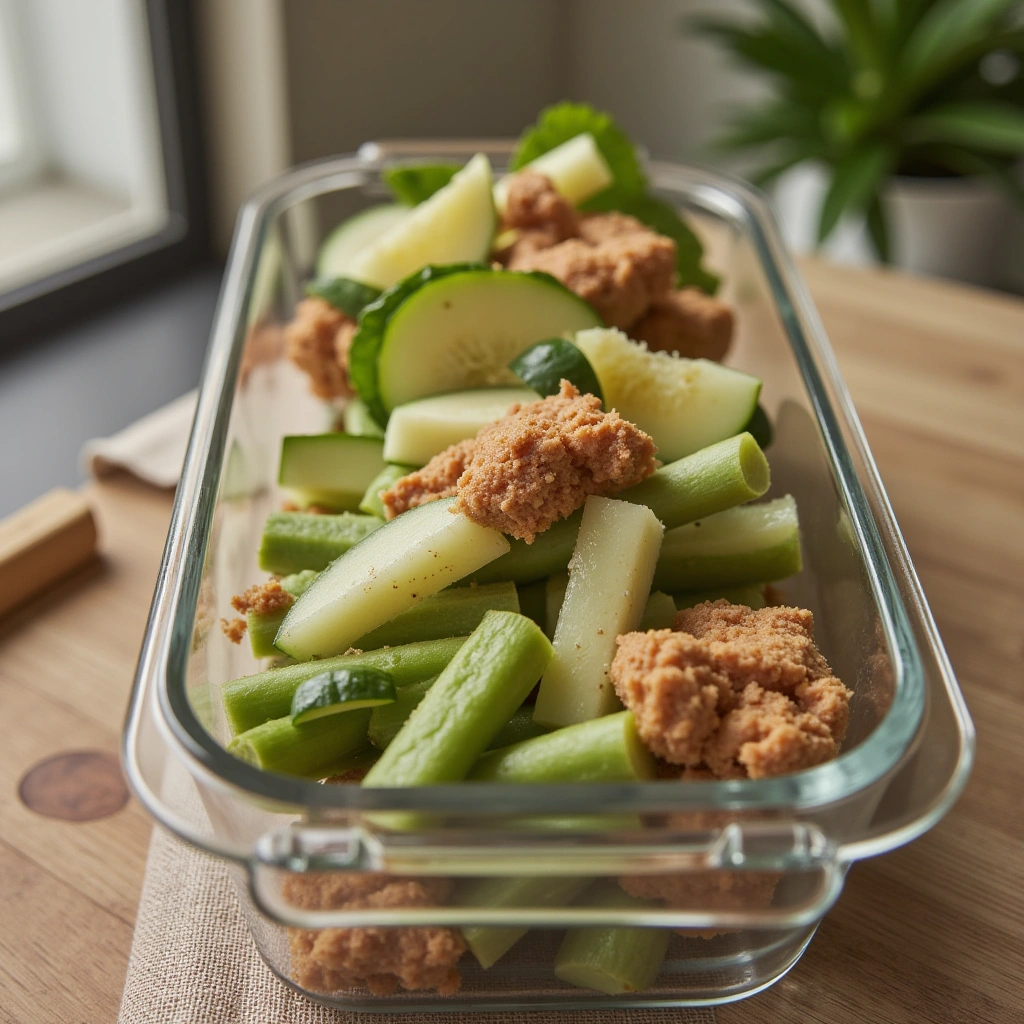
Even diabetic dogs deserve treats! Stick to low-carb options:
- Small pieces of cooked chicken or turkey.
- Fresh green beans or cucumber slices.
- Blueberries or apple slices (without seeds).
- Commercial diabetic dog treats approved by your vet.
Avoid sugary snacks or anything with grains and fillers.
FAQs About Homemade Diabetic Dog Food
Q: Can I feed my diabetic dog only homemade food?
A: Yes, but ensure the diet is balanced and vet-approved.
Q: How often should I feed my diabetic dog?
A: Typically 2-3 small meals per day to maintain steady blood sugar.
Q: Can homemade food cure diabetes?
A: No, but it helps manage symptoms and improves quality of life.
Final Thoughts on Homemade Diabetic Dog Food
Feeding homemade diabetic dog food is a powerful way to take control of your dog’s health. With the right ingredients, careful planning, and regular vet support, you can help your furry friend live a long, happy, and comfortable life. Remember, the goal is stable blood sugar, balanced nutrition, and lots of tail-wagging moments.
Start simple, keep it fresh, and watch your diabetic dog thrive on homemade meals made with love. Your pup deserves nothing less.
Remember, homemade diabetic dog food is your best bet for managing your dog’s diabetes naturally and nutritiously.
