
Hey friends! If you’ve ever wondered how to make dog food meal prep easy, nutritious, and affordable, you’re in the right place. I’ve spent years researching and experimenting with dog nutrition, and I’m here to share the most accurate and practical tips you’ll find anywhere. Let’s dive into making your furry friend’s meals both tasty and healthy.
So, what exactly is dog food meal prep? It’s the process of preparing homemade dog meals in advance, ensuring balanced nutrition, convenience, and cost-effectiveness. With proper planning, you can create meals tailored to your dog’s needs, save time during the week, and avoid the pitfalls of commercial dog food. This article breaks down everything you need to know, from ingredient selection to storage and portioning.
Keep reading to discover the best ingredients, meal prep methods, and tips that will revolutionize how you feed your dog. Plus, I’ll share practical hacks to make meal prep simple, safe, and delicious for your pup.
What Is Dog Food Meal Prep and Why It Matters
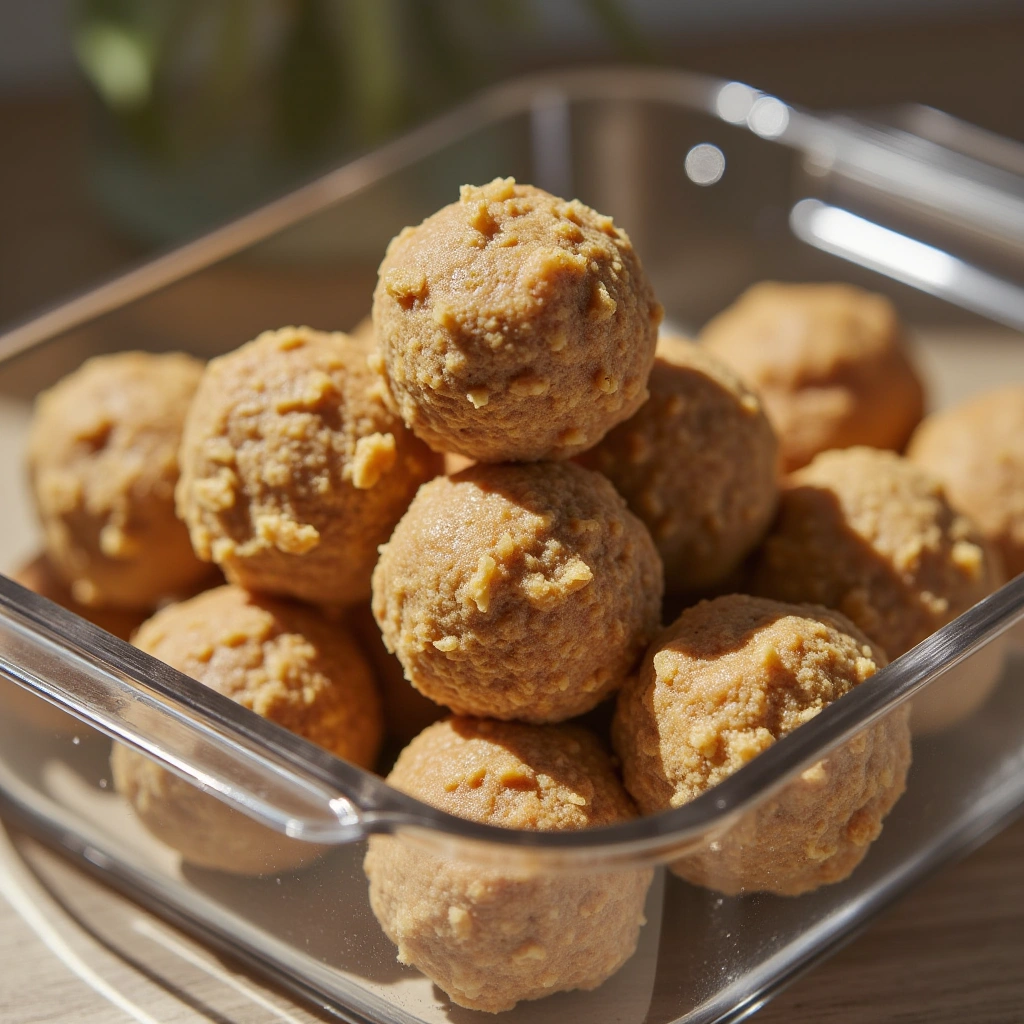
Dog food meal prep is all about planning and making your dog’s meals ahead of time. Instead of scrambling every day, you prepare batches of food that meet your dog’s nutritional needs, store them properly, and serve fresh portions daily. This method gives you control over ingredients, avoids preservatives and fillers, and can be healthier than many commercial options.
The idea isn’t new, but many dog owners overlook meal prep because they think it’s complicated or time-consuming. However, with the right guidance, it can save you money and reduce stress. Plus, homemade meals can cater to allergies, sensitivities, or specific dietary goals like weight loss or muscle gain.
In this guide, I’ll walk you through everything you need for successful dog food meal prep, including recipes, tips on balancing nutrients, and how to store meals safely to keep your dog happy and healthy.
Getting Started: What You Need for Dog Food Meal Prep
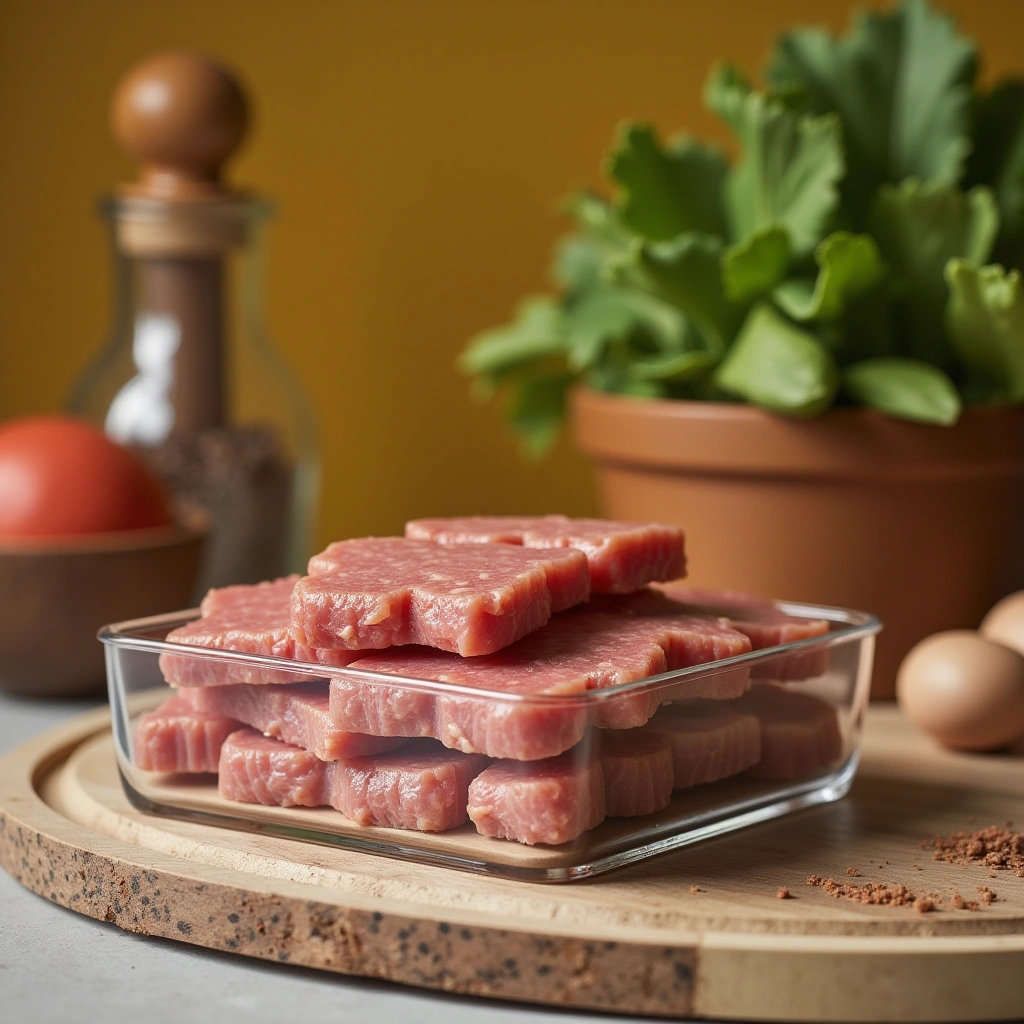
Before you dive into dog food meal prep, it’s important to gather the right tools and ingredients. Here’s a quick rundown of essentials:
- Quality Protein: Chicken, beef, turkey, lamb, fish, or eggs. Protein is the foundation of any dog meal.
- Carbohydrates: Brown rice, sweet potatoes, oats, or quinoa provide energy.
- Vegetables: Carrots, green beans, peas, spinach, and pumpkin add fiber and vitamins.
- Supplements: Depending on your dog’s needs, fish oil, calcium, or multivitamins may be necessary.
- Storage Containers: BPA-free containers or freezer-safe bags to portion meals.
- Kitchen Tools: A slow cooker, blender, and food scale will make prep easier.
Once you have these items ready, you’re set to create balanced meals that your dog will love. The next sections cover how to combine these ingredients and prepare meals safely.
Balancing Meals: Nutritional Needs for Dogs
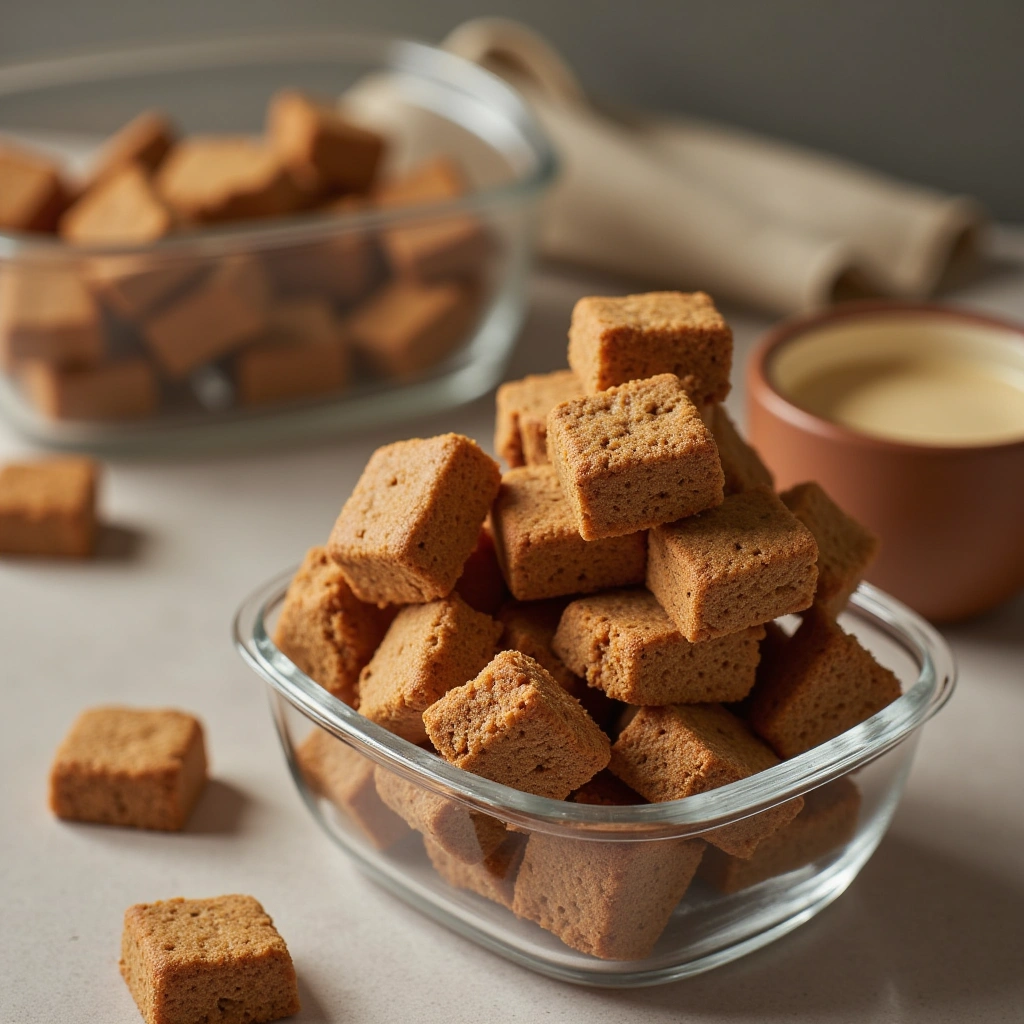
One of the biggest gaps in many dog food meal prep guides is a clear explanation of how to balance nutrients. Dogs require a mix of proteins, fats, carbohydrates, vitamins, and minerals. Here’s a quick definition list to clarify:
- Protein: Builds muscles and supports immune function.
- Fat: Provides energy and aids nutrient absorption.
- Carbohydrates: Supply energy and fiber for digestion.
- Vitamins & Minerals: Support overall health, bone strength, and metabolism.
A simple rule of thumb for homemade dog food is:
- 40% protein
- 50% vegetables and carbs
- 10% healthy fats and supplements
You can adjust this based on your dog’s breed, age, and activity level. Always consult your vet before making major changes.
Choosing the Right Ingredients: Freshness and Safety First
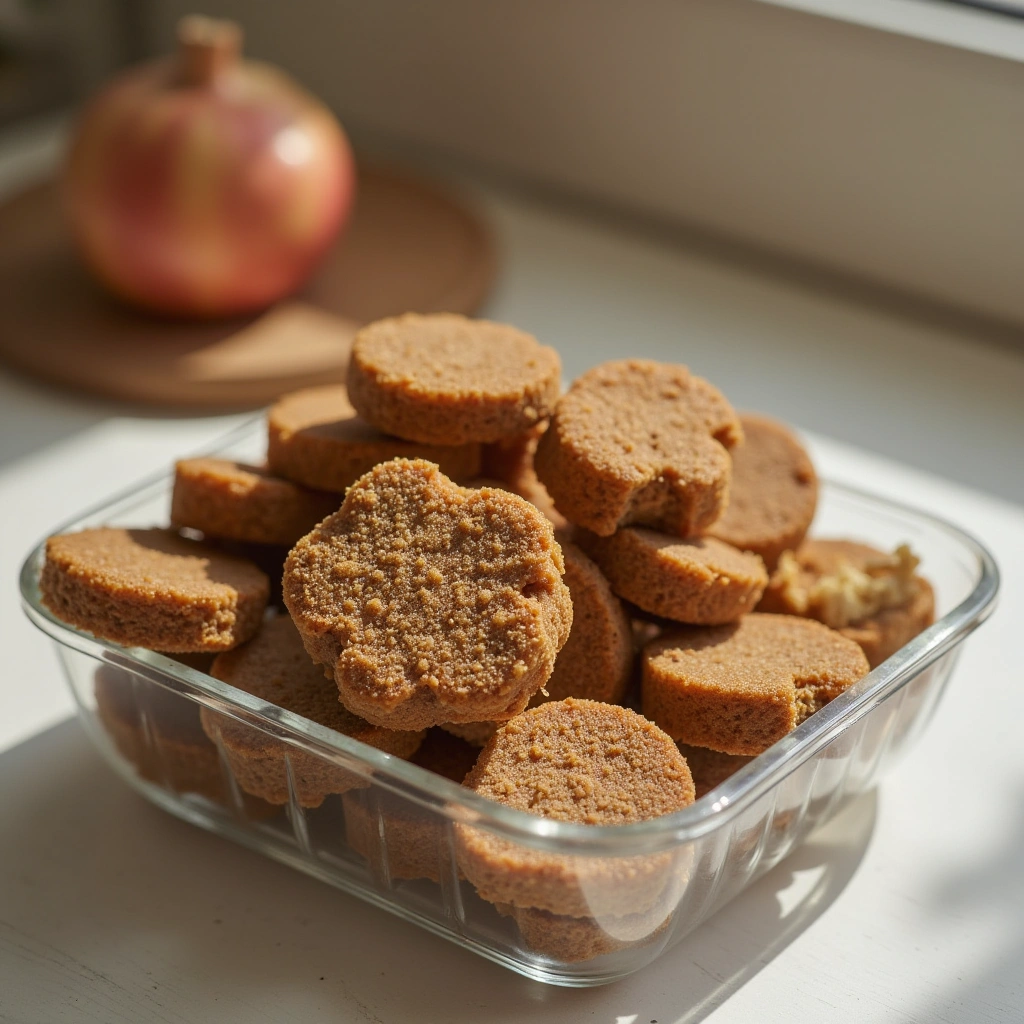
When prepping meals for your dog, ingredient quality is non-negotiable. Use fresh, organic, or human-grade ingredients whenever possible. Avoid onions, garlic, grapes, raisins, chocolate, and artificial sweeteners like xylitol, as they are toxic to dogs.
Here are some tips for ingredient selection:
- Proteins: Opt for lean cuts without bones or excessive fat.
- Vegetables: Steam or lightly cook to aid digestion.
- Carbs: Cook thoroughly to avoid digestive upset.
- Supplements: Use vet-approved products only.
This approach ensures your dog’s meals are safe, tasty, and packed with nutrients.
Meal Prep Methods: Simple Approaches That Work
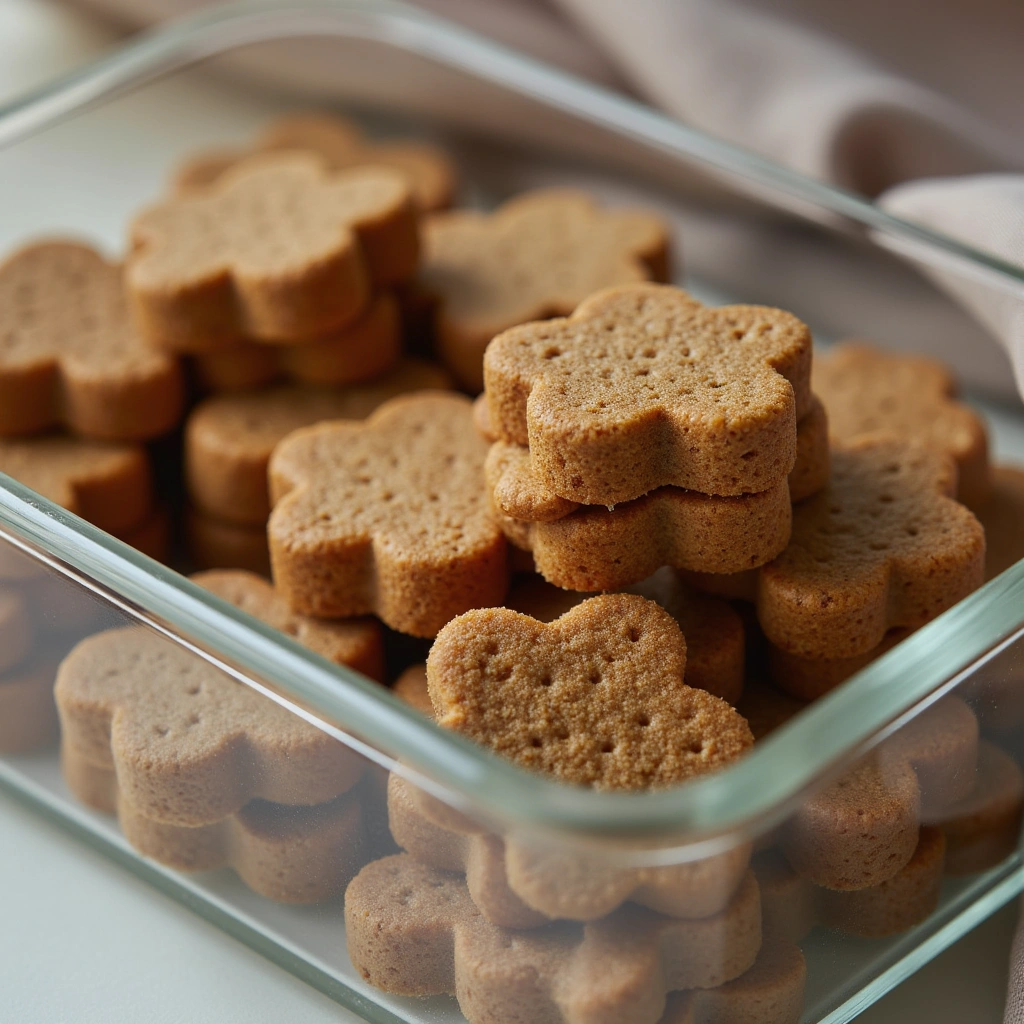
There are several ways to prep dog meals, but simplicity and safety are key. Here are some popular methods:
- Batch Cooking: Prepare large portions of protein, veggies, and carbs, then mix and portion.
- Slow Cooker Meals: Great for hands-off cooking and tenderizing ingredients.
- Freezer-Friendly Meals: Make meals in bulk and freeze in individual portions for easy thawing.
- Raw Meal Prep: For those on a raw diet, ensure strict hygiene and vet guidance.
Whichever method you choose, always cool meals before storing and keep portions in airtight containers.
Portioning and Storage: Keeping Meals Fresh and Convenient
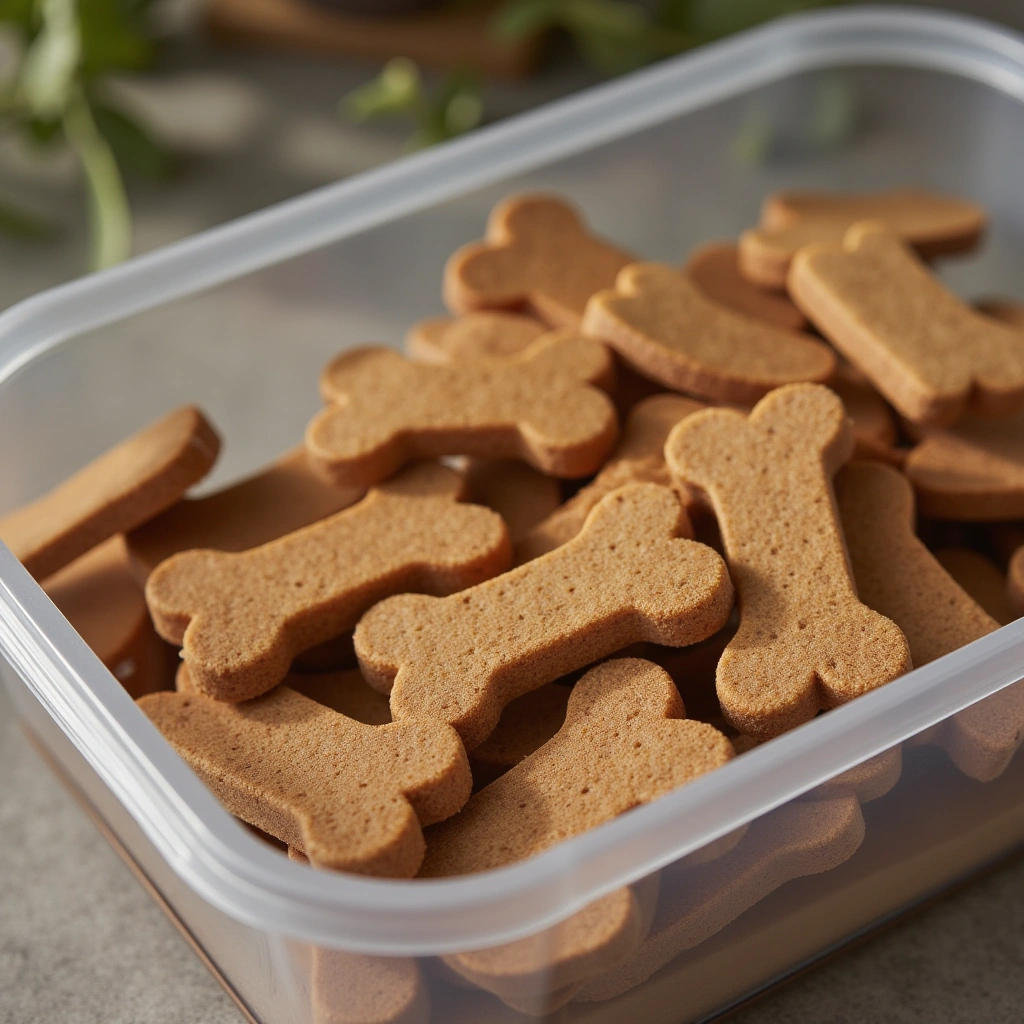
Proper portioning and storage prevent waste and keep your dog’s food fresh. Use a food scale to measure daily portions based on your dog’s weight and caloric needs. Label containers with dates and ingredients to track freshness.
Store meals:
- In the fridge for up to 3 days.
- In the freezer for up to 3 months.
When thawing frozen meals, do so in the fridge overnight, never at room temperature, to avoid bacterial growth.
Common Mistakes to Avoid in Dog Food Meal Prep
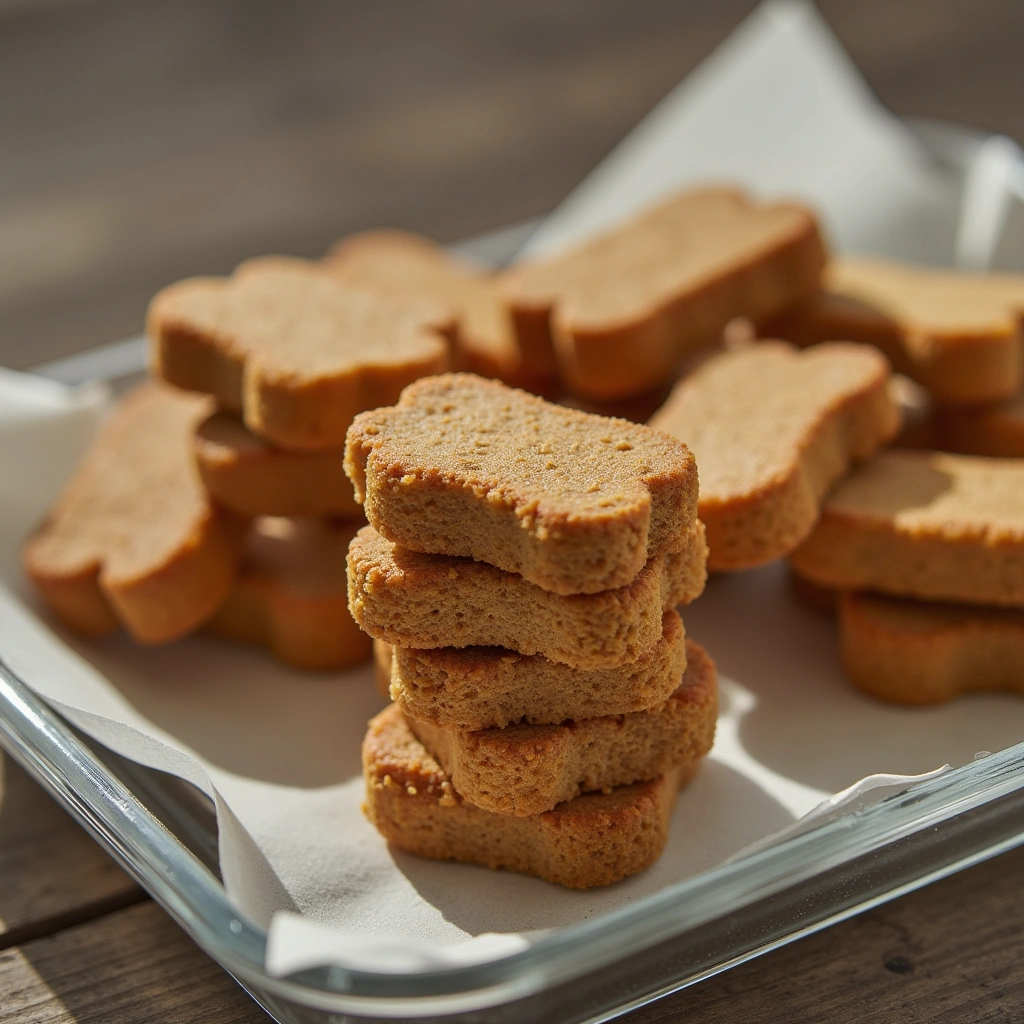
Many dog owners start meal prep with enthusiasm but make mistakes that affect meal quality and safety. Avoid these pitfalls:
- Skipping Vet Consultation: Always check your dog’s dietary needs with a professional.
- Inconsistent Ingredient Quality: Avoid cheap fillers or expired items.
- Ignoring Portion Sizes: Overfeeding or underfeeding can harm your dog’s health.
- Improper Storage: Leads to spoilage or contamination.
- Lack of Variety: Dogs need diverse nutrients; rotate ingredients regularly.
Avoid these mistakes for a successful meal prep experience.
Sample Dog Food Meal Prep Recipe to Get You Started
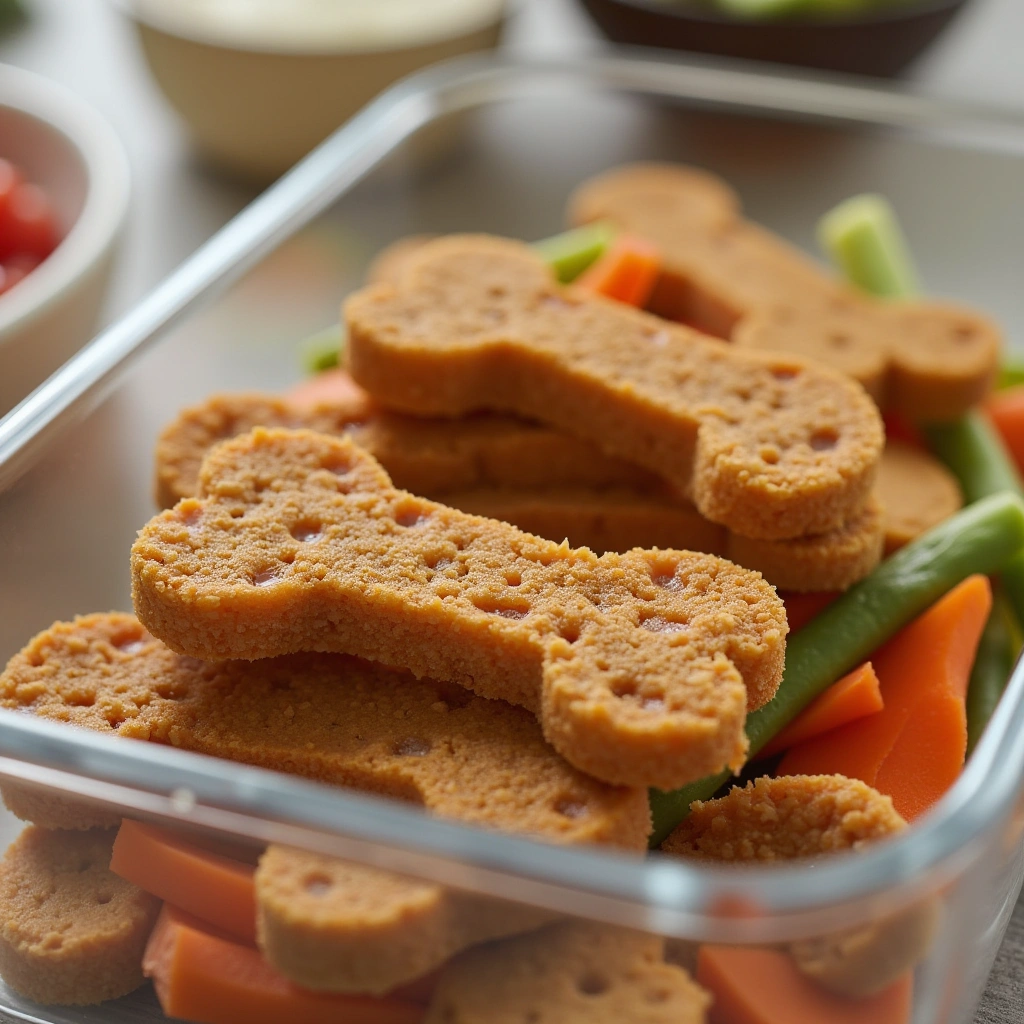
Here’s a simple, balanced recipe to try:
Ingredients:
- 2 lbs ground chicken
- 1 cup cooked brown rice
- 1 cup steamed carrots, chopped
- 1 cup steamed green beans, chopped
- 1 tbsp fish oil (optional)
- Calcium supplement (as per vet’s advice)
Instructions:
- Cook ground chicken thoroughly.
- Mix cooked rice and steamed veggies with the chicken.
- Add fish oil and supplements.
- Portion into containers and store in fridge or freezer.
This meal covers protein, carbs, and veggies, making a tasty and nutritious dish for most dogs.
Customizing Meals for Special Diets and Allergies
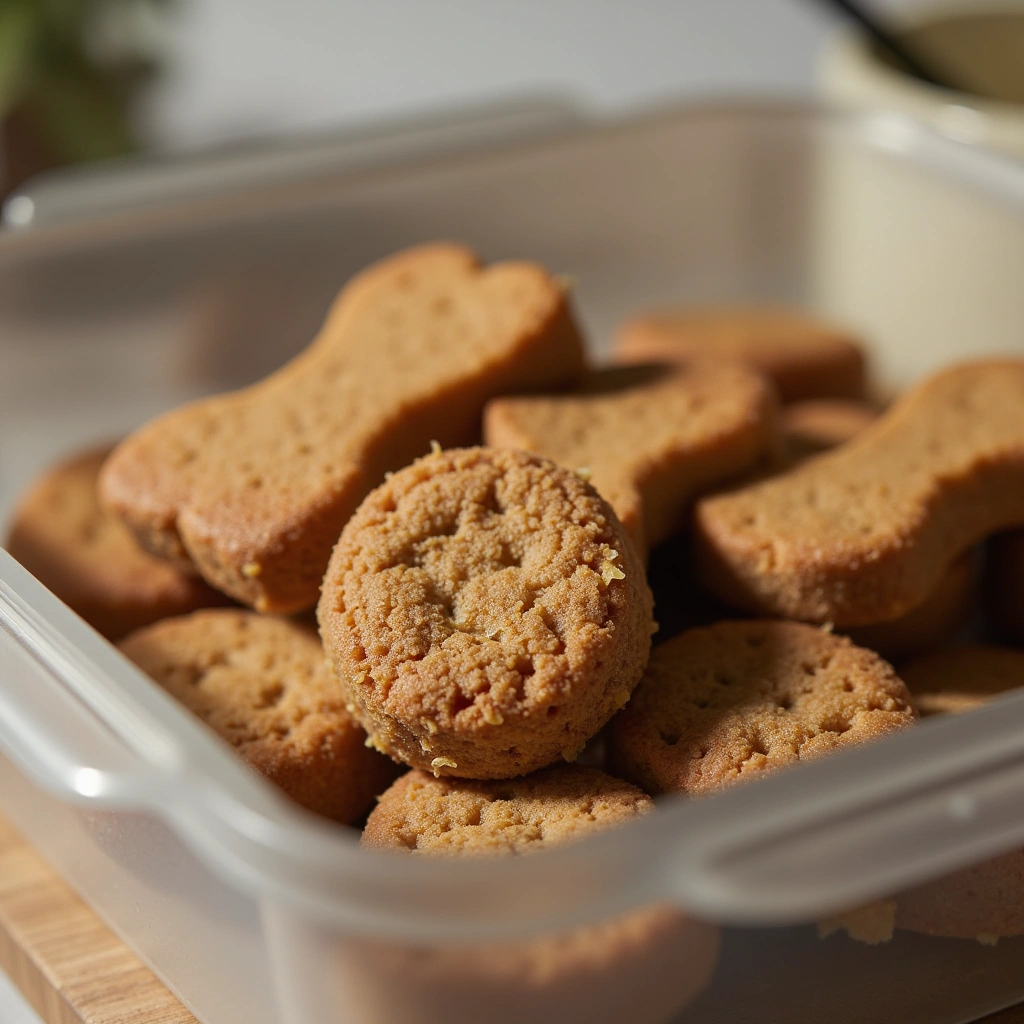
Not all dogs thrive on standard recipes. Some need grain-free, low-fat, or hypoallergenic diets. Meal prep is perfect for customization. Here’s how to adjust:
- Grain-Free: Replace rice with sweet potatoes or quinoa.
- Weight Management: Use lean proteins and reduce fat content.
- Allergies: Identify triggers and substitute with safe alternatives.
- Puppies or Seniors: Adjust portion size and nutrient ratios accordingly.
Always track your dog’s response and consult your vet for adjustments.
Tools and Apps to Simplify Dog Food Meal Prep
Technology can make meal prep easier. Consider these tools:
- Food Scales: For precise portioning.
- Meal Prep Containers: BPA-free, stackable, and freezer-safe.
- Recipe Apps: Apps like “Balance IT” or “Pet Plate” help calculate nutrition.
- Timers and Crockpots: For hands-off cooking.
Using these tools saves time and ensures consistency.
Transitioning Your Dog to Homemade Food
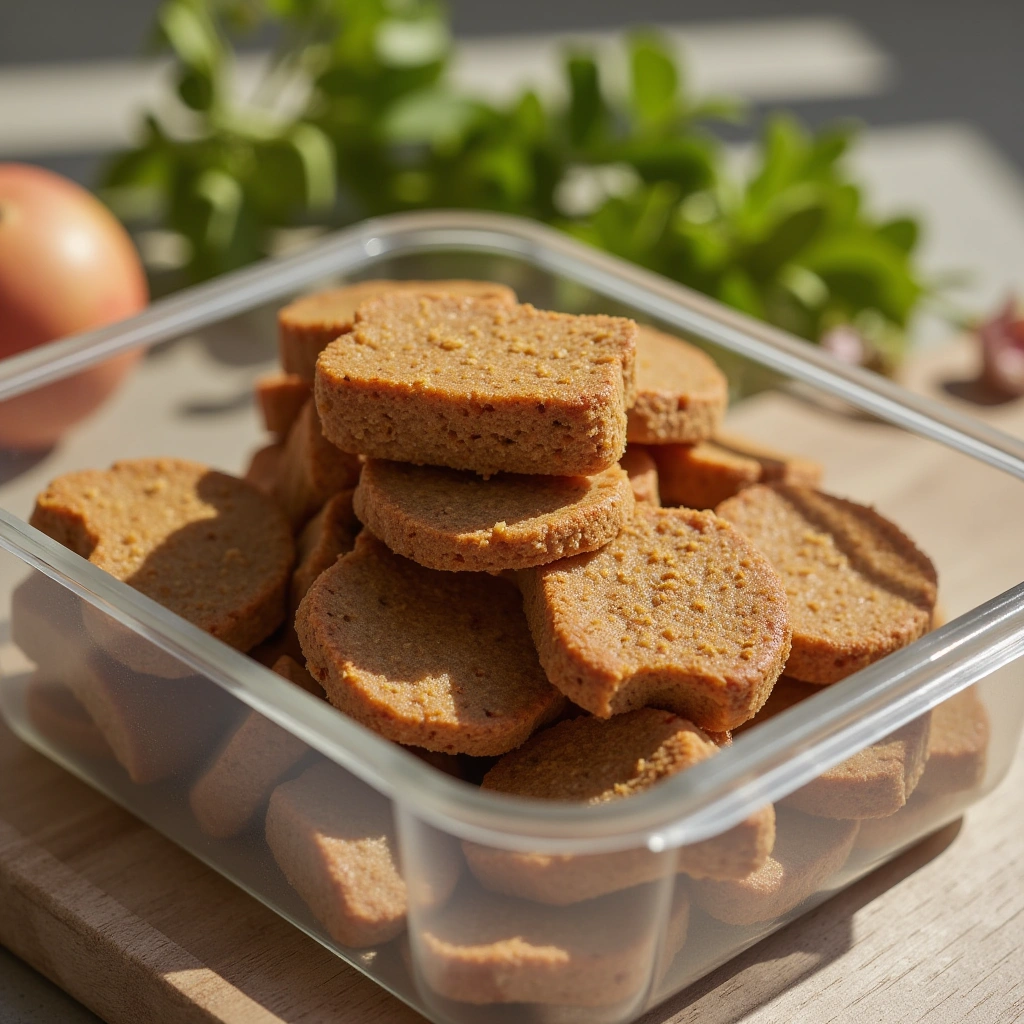
Switching your dog from kibble to homemade meals should be gradual. Mix homemade food with the current diet, slowly increasing the homemade portion over 7-10 days. Watch for any digestive issues like diarrhea or vomiting and adjust as needed.
This transition minimizes stress on your dog’s digestive system and helps them adapt happily.
Benefits of Dog Food Meal Prep: Why It’s Worth It
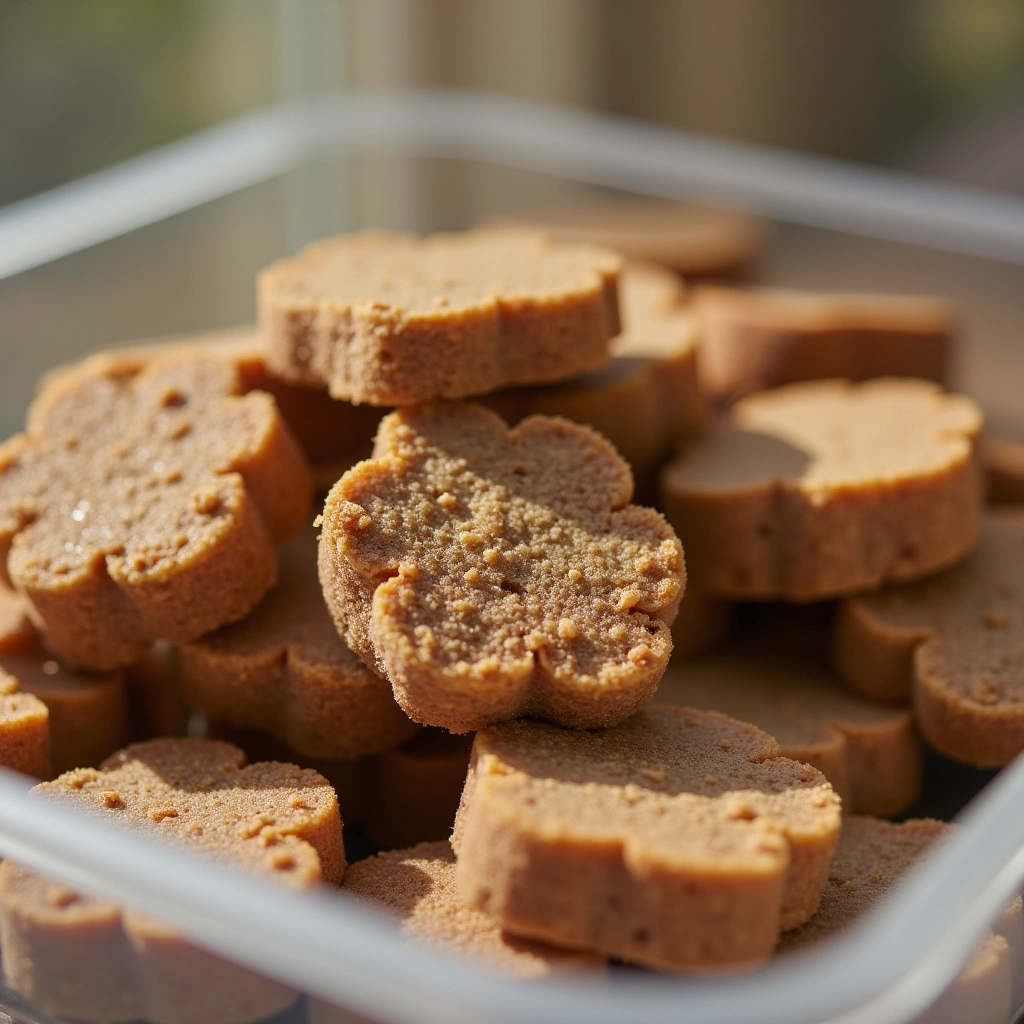
Meal prepping dog food isn’t just about convenience. It offers:
- Better Nutrition: Control over ingredients and quality.
- Cost Savings: Bulk buying and reducing expensive commercial food.
- Health Improvements: Can reduce allergies and improve coat and energy.
- Peace of Mind: Knowing exactly what your dog eats.
Once you get the hang of it, meal prep becomes a rewarding part of caring for your dog.
Addressing Common Concerns About Homemade Dog Food
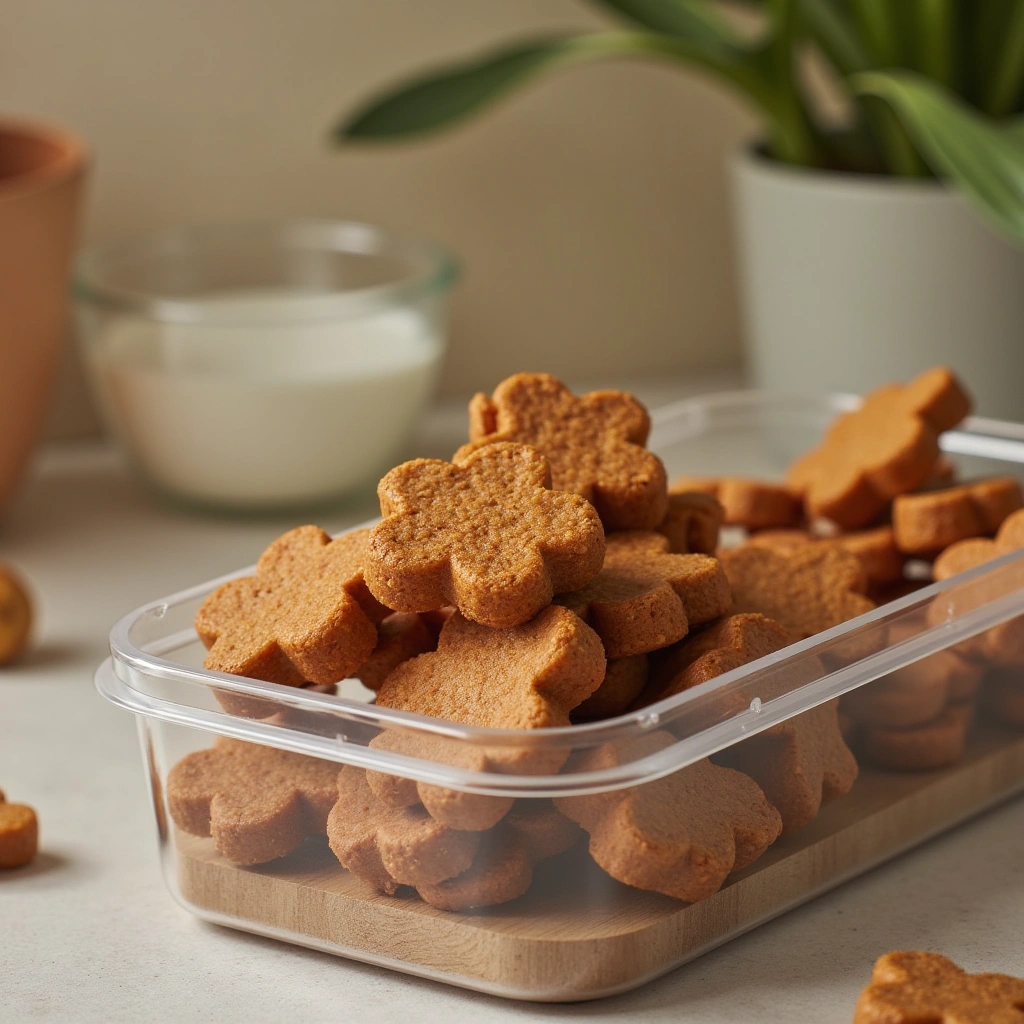
Some worry about whether homemade meals meet all their dog’s needs or if they’re too time-consuming. The truth is, with proper planning, homemade meals can be nutritionally complete and not more time-consuming than buying premium commercial food.
Consulting your vet and using balanced recipes will address the nutritional concerns, while batch cooking saves hours weekly.
Final Tips for Successful Dog Food Meal Prep
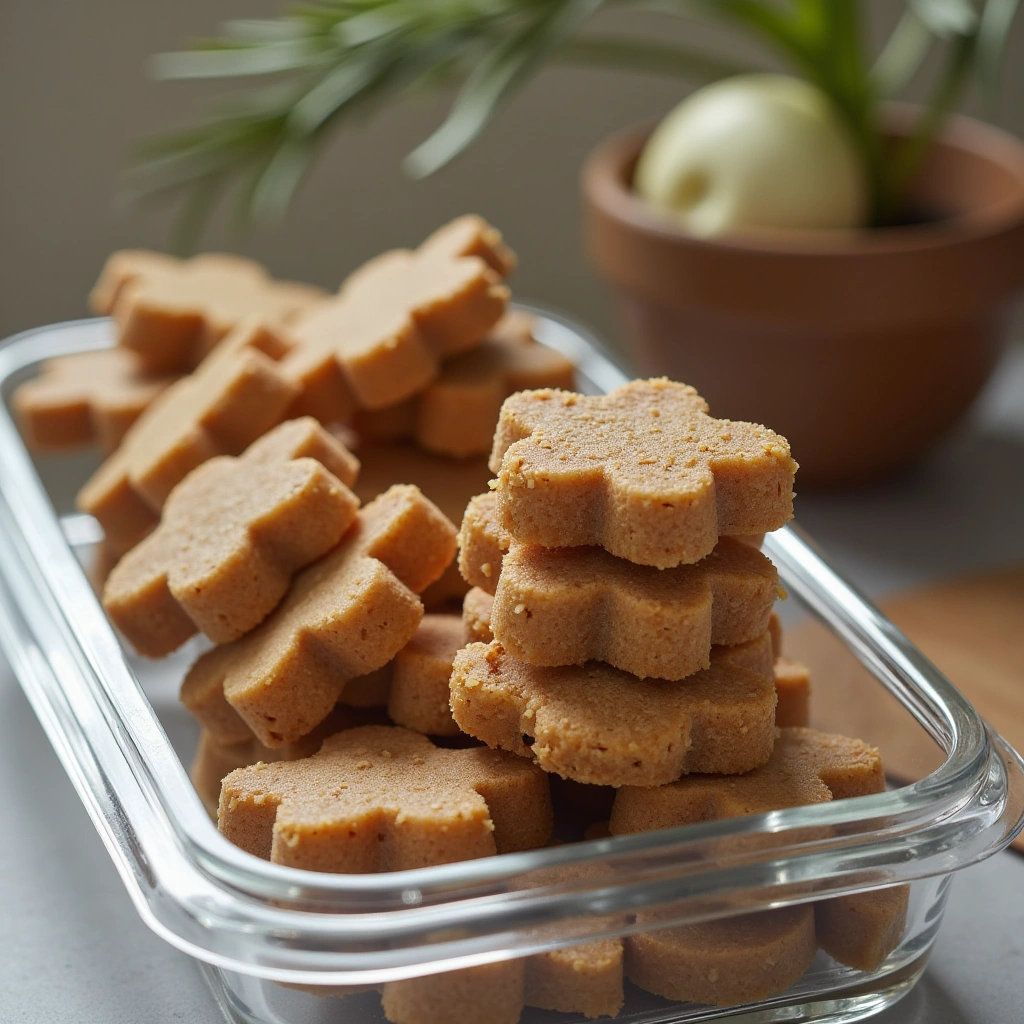
To wrap up, here are my top tips:
- Start small and build confidence.
- Keep a meal prep schedule.
- Rotate ingredients to keep meals interesting.
- Store meals safely and label everything.
- Always prioritize your dog’s health and vet advice.
Meal prepping dog food is a journey worth taking for your dog’s health and your peace of mind.
Dog food meal prep is an excellent way to give your dog nutritious, tasty meals tailored to their needs. By understanding essential ingredients, balanced nutrition, and proper storage, you’re set to make homemade meals a convenient part of your routine. Remember, the key to success is preparation, variety, and attention to your dog’s health. Ready to start? Your dog will thank you!
Thank you for reading! If you found this guide helpful, share it with fellow dog lovers. Meal prepping your dog’s food might just be the best decision you make for their health and happiness.
