When it comes to feeding your puppy, I know how important it is to get it just right. As a dog lover and someone who’s spent years researching canine nutrition, I’m confident in providing you with the most accurate and practical advice on easy homemade puppy food. You’ll find everything you need—step-by-step guidance, nutritional tips, and tasty recipes that keep your puppy healthy and happy.
So, what exactly is easy homemade puppy food? It’s a balanced, nutrient-rich diet made from fresh, wholesome ingredients you prepare at home. This food ensures your puppy gets essential proteins, fats, vitamins, and minerals for optimal growth and development. Homemade meals can be safer and more customizable compared to commercial options, allowing you to control every ingredient.
Curious about how to create these meals? Keep reading to discover detailed recipes, nutritional essentials, portion sizes, and tips for transitioning your puppy to homemade food. I’ll also cover common pitfalls to avoid and how to make feeding fun and stress-free.
## What Is Easy Homemade Puppy Food?
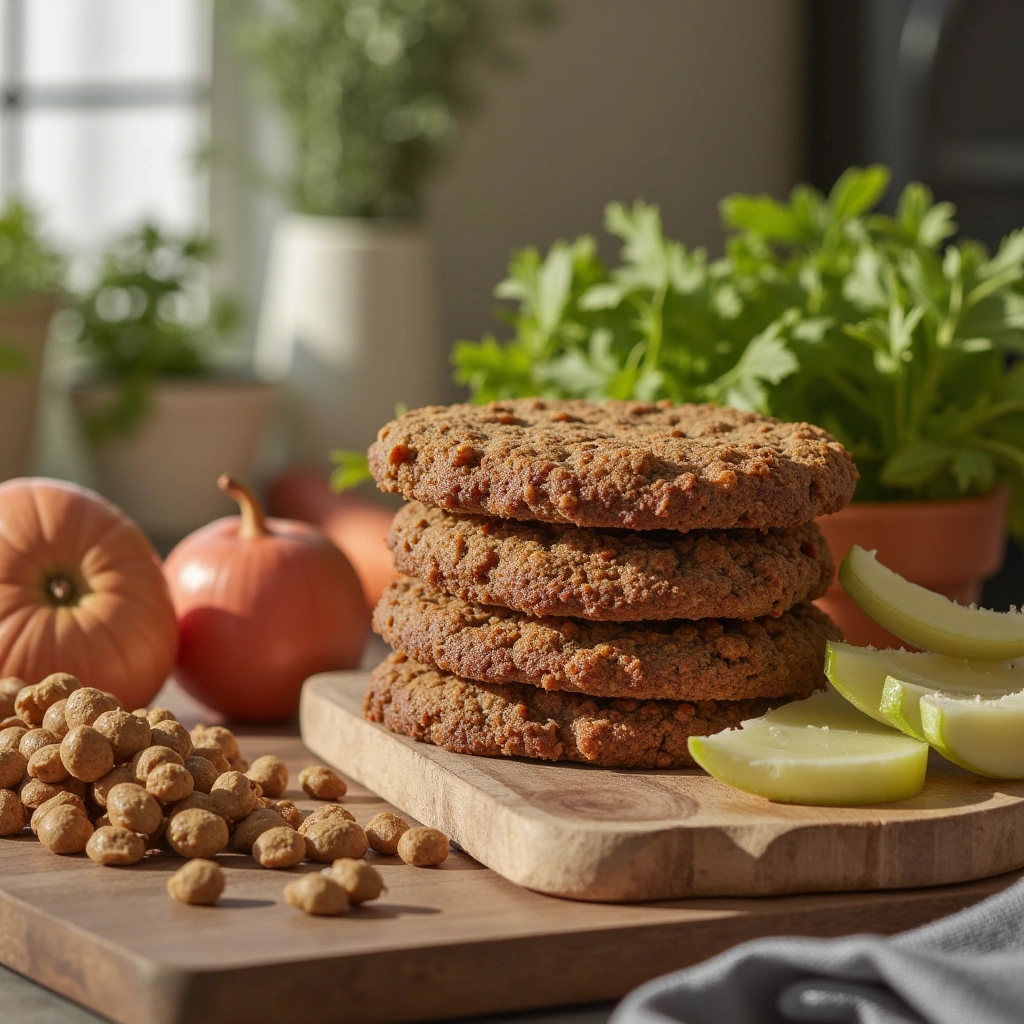
Let’s start with the basics. Easy homemade puppy food means crafting meals from fresh, natural ingredients tailored to your puppy’s nutritional needs. Unlike commercial kibble or canned food, homemade meals use real meats, vegetables, and grains without preservatives or fillers. This approach lets you manage ingredient quality and cater to any dietary sensitivities your puppy might have.
When I prepare homemade puppy food, I think about the balance of macronutrients — proteins for muscle growth, fats for energy and brain development, and carbohydrates for fiber and digestion. Vitamins and minerals, like calcium and zinc, are just as critical. Making puppy food at home is not complicated if you follow good recipes and understand your pup’s unique needs.
## Why Make Homemade Food for Puppies?
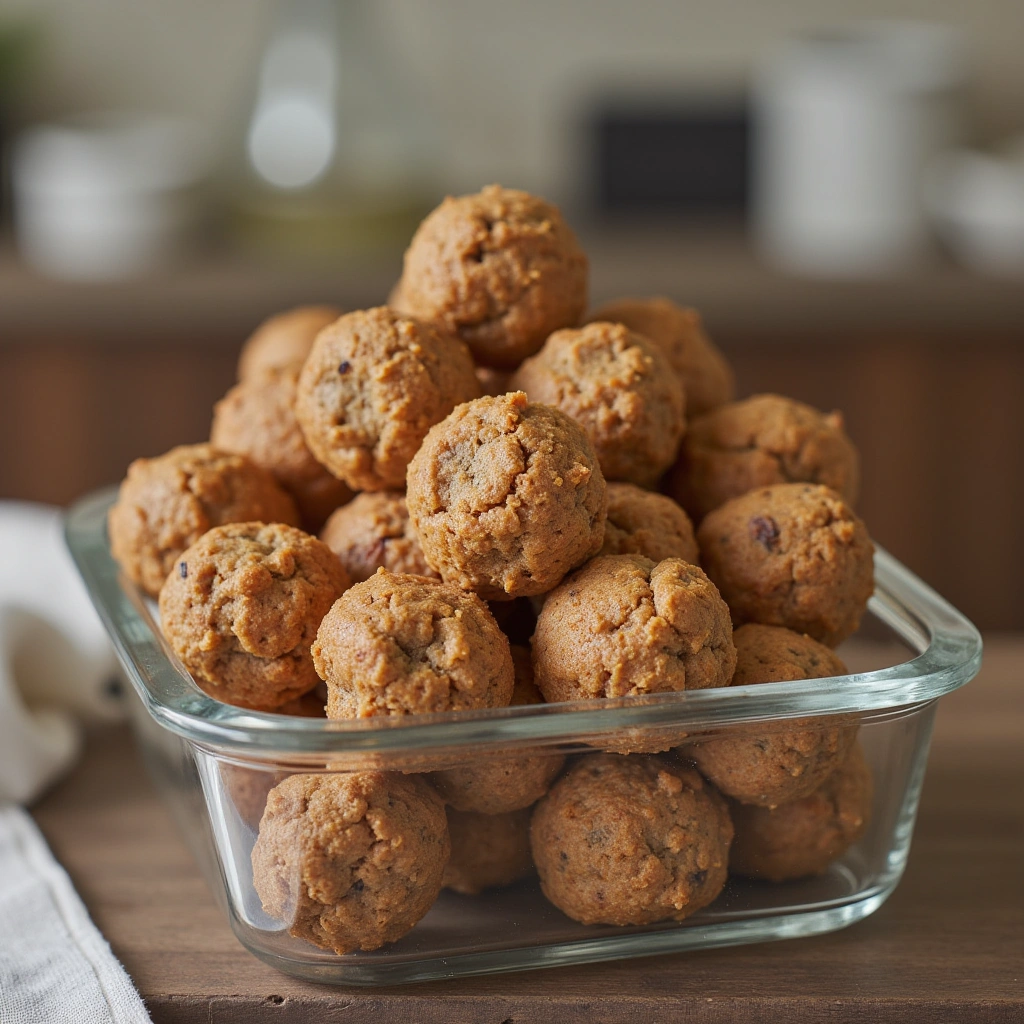
Many dog owners ask: “Why should I bother making homemade puppy food when there are so many commercial options?” The answer is simple: control, quality, and health. Store-bought puppy foods can contain additives, low-quality fillers, or ingredients your puppy might be allergic to. Homemade food allows you to avoid these pitfalls and provide fresh, wholesome meals daily.
Additionally, homemade puppy food can be tailored to picky eaters or puppies with medical conditions requiring special diets. It also strengthens the bond between you and your puppy because you’re actively involved in their nutrition. Plus, many owners find it rewarding to see their puppies thrive on meals they prepare themselves.
—
## Planning Your Puppy’s Homemade Meals: The Basics
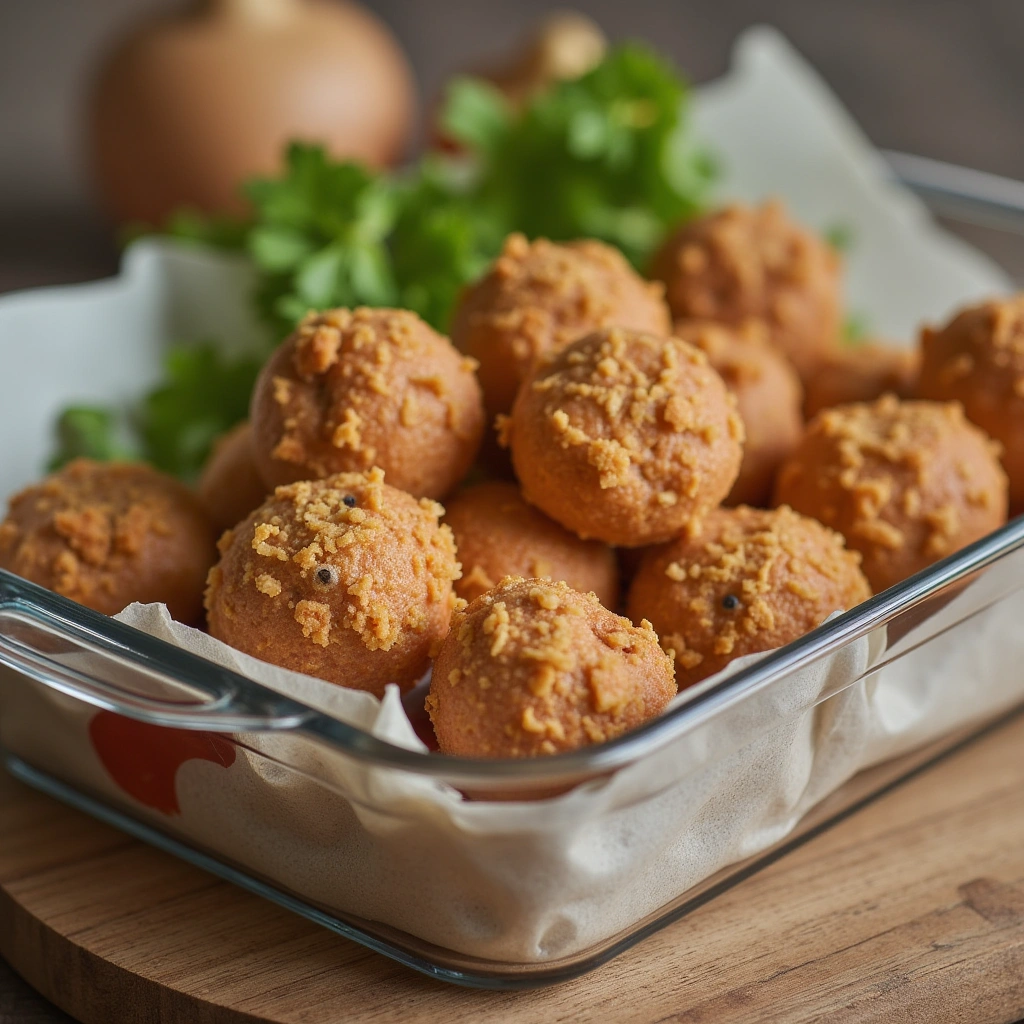
Before you start cooking, it’s essential to plan your puppy’s diet carefully. Puppies grow fast, and their nutritional needs change quickly, so your meals should be balanced and tailored to their age, breed, and size.
### Key Nutritional Components
– **Protein:** The cornerstone of puppy food, needed for growth and tissue repair. Sources include chicken, turkey, lean beef, fish, and eggs.
– **Fats:** Essential for energy and healthy skin and coat. Look for omega-3 and omega-6 fatty acids found in fish oils and flaxseed.
– **Carbohydrates:** Provide fiber and energy. Safe options include rice, oats, sweet potatoes, and pumpkin.
– **Vitamins & Minerals:** Calcium and phosphorus are critical for developing strong bones. Leafy greens, carrots, and supplements can help meet these needs.
**Pro Tip:** Consult your vet or a canine nutritionist to ensure your homemade meals meet all your puppy’s dietary requirements.
—
## Essential Ingredients for Homemade Puppy Food
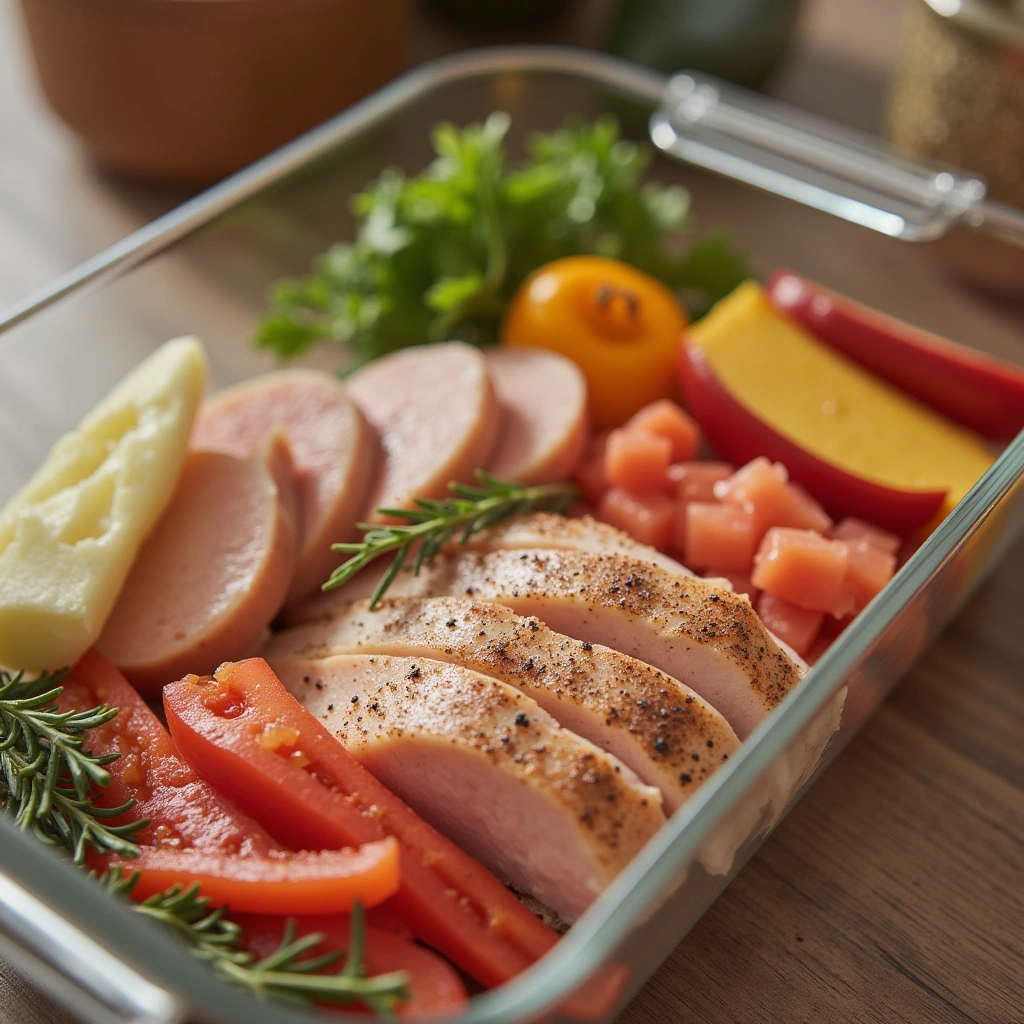
Choosing the right ingredients is half the battle. Here’s a quick guide to what you should include in your recipes:
– **Proteins:** Chicken breast, ground turkey, lean beef, eggs, fish (salmon or white fish)
– **Vegetables:** Carrots, green beans, spinach, peas (avoid onions and garlic!)
– **Grains:** Brown rice, quinoa, oatmeal (gluten-free and well-cooked)
– **Fats:** Olive oil, coconut oil, fish oil supplements
– **Supplements:** Calcium powder, multivitamins designed for puppies
Avoid toxic foods like chocolate, grapes, raisins, onions, garlic, and excessive salt.
—
## Easy Homemade Puppy Food Recipe: Chicken and Rice Bowl
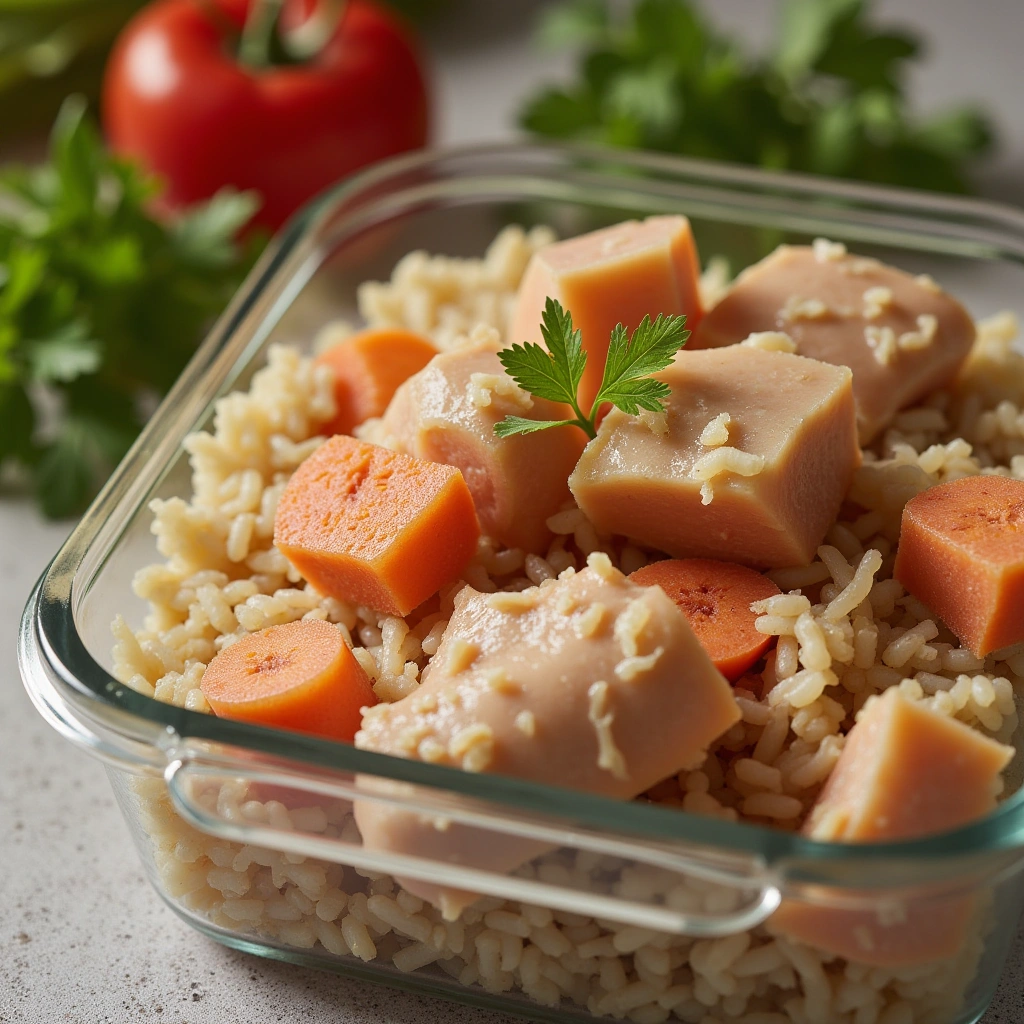
This classic recipe balances protein, carbs, and veggies perfectly for growing puppies.
### Ingredients:
– 1 cup cooked chicken breast (shredded)
– 1/2 cup cooked brown rice
– 1/4 cup steamed carrots (chopped)
– 1/4 cup steamed green beans (chopped)
– 1 tsp olive oil
– Calcium supplement (as per vet’s recommendation)
### Instructions:
1. Cook chicken thoroughly and shred it.
2. Cook rice until soft.
3. Steam carrots and green beans until tender.
4. Mix all ingredients in a bowl, drizzle olive oil on top.
5. Allow to cool before serving.
**Serving Tip:** Feed fresh or store portions in the fridge for up to 3 days.
—
## How to Transition Your Puppy to Homemade Food
Switching from commercial kibble to homemade meals should be gradual to avoid digestive upset.
– Start by mixing 25% homemade food with 75% kibble.
– Increase homemade food by 25% every 3-4 days.
– Monitor your puppy’s stool and energy levels.
– Adjust portions if your puppy gains or loses weight unexpectedly.
Patience is key. Puppies might be skeptical at first but usually adapt quickly when flavors are right.
—
## Portion Sizes and Feeding Frequency for Puppies

Puppies have small stomachs but high energy needs, so feeding frequency matters.
| Age | Meals per Day | Portion Size (approximate) |
|—————|—————|———————————-|
| 6-12 weeks | 4 | Small, frequent meals (1/4 cup) |
| 3-6 months | 3 | Medium meals, adjust by weight |
| 6-12 months | 2-3 | Larger portions, monitor growth |
Always provide fresh water and avoid overfeeding to prevent obesity.
—
## Common Mistakes in Homemade Puppy Food and How to Avoid Them
Making homemade food is rewarding but mistakes can happen. Here are some pitfalls to watch out for:
– **Lack of Balance:** Skipping key nutrients like calcium can cause health issues.
– **Overfeeding:** Leads to obesity and joint problems.
– **Using Toxic Ingredients:** Onions, garlic, chocolate are dangerous.
– **Ignoring Vet Advice:** Always get a vet’s approval before changing diets.
A good rule: research thoroughly and keep track of your puppy’s health during diet changes.
—
## Homemade Puppy Food for Special Needs
Sometimes puppies have allergies, sensitivities, or medical conditions requiring tailored diets.
– **Allergies:** Use novel proteins like duck or venison and avoid common allergens.
– **Digestive Issues:** Bland diets with easily digestible ingredients like boiled chicken and rice help.
– **Weight Management:** Lower fat and calorie content with added fiber can assist overweight pups.
Consult your vet before trying specialized recipes.
—
## Storage and Safety Tips for Homemade Puppy Food
Homemade food needs careful handling to stay safe and fresh.
– Store in airtight containers in the fridge for up to 3 days.
– Freeze portions for up to 2 weeks.
– Reheat gently and never leave leftovers at room temperature for long.
– Wash utensils and bowls thoroughly to avoid contamination.
—
## Monitoring Your Puppy’s Health on Homemade Food
Keep a close eye on your puppy’s:
– Weight and body condition
– Energy and playfulness
– Coat shine and skin condition
– Stool consistency
If you notice any changes, consult your vet. Regular check-ups are essential when feeding homemade diets.
—
## Benefits of Preparing Puppy Food at Home
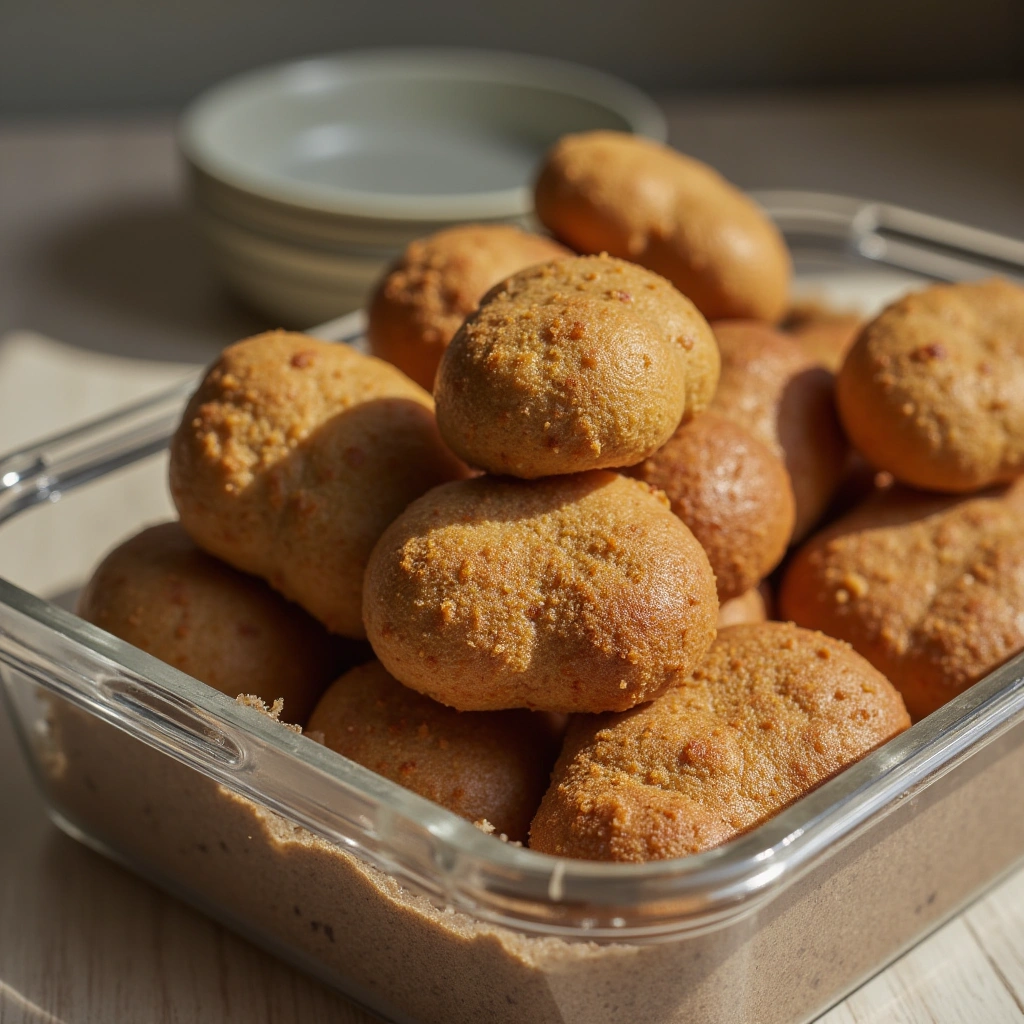
– **Customization:** Tailor meals to your puppy’s preferences and needs.
– **Freshness:** No preservatives or artificial ingredients.
– **Bonding:** Cooking for your pup strengthens your relationship.
– **Cost-effective:** Can be cheaper than premium commercial food.
—
## Frequently Asked Questions About Homemade Puppy Food
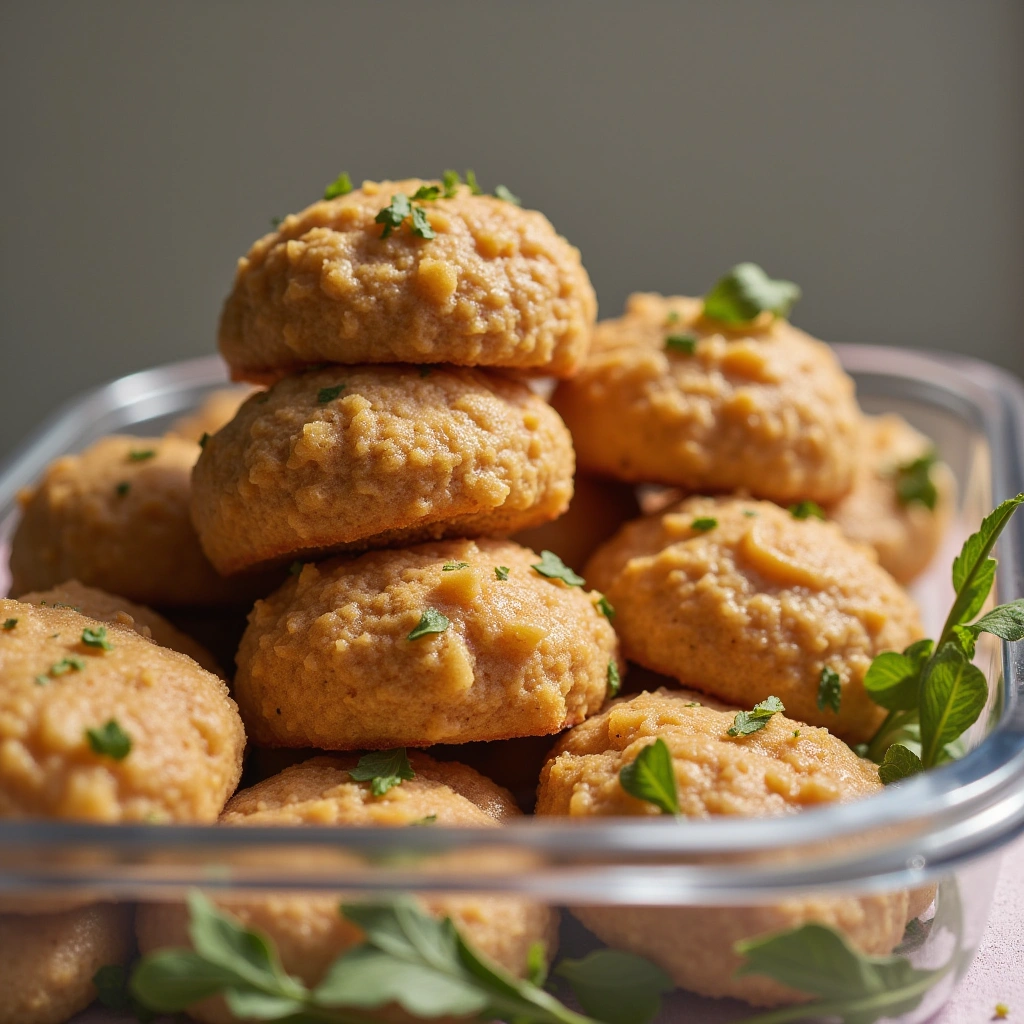
**Q:** Can puppies eat only homemade food?
**A:** Yes, if the meals are nutritionally balanced and vet-approved.
**Q:** How often should I feed my puppy homemade food?
**A:** Typically 3-4 times a day for young puppies, reducing to 2-3 as they grow.
**Q:** Are supplements necessary?
**A:** Often yes, especially calcium and multivitamins, but always check with your vet.
—
## Final Thoughts on Easy Homemade Puppy Food
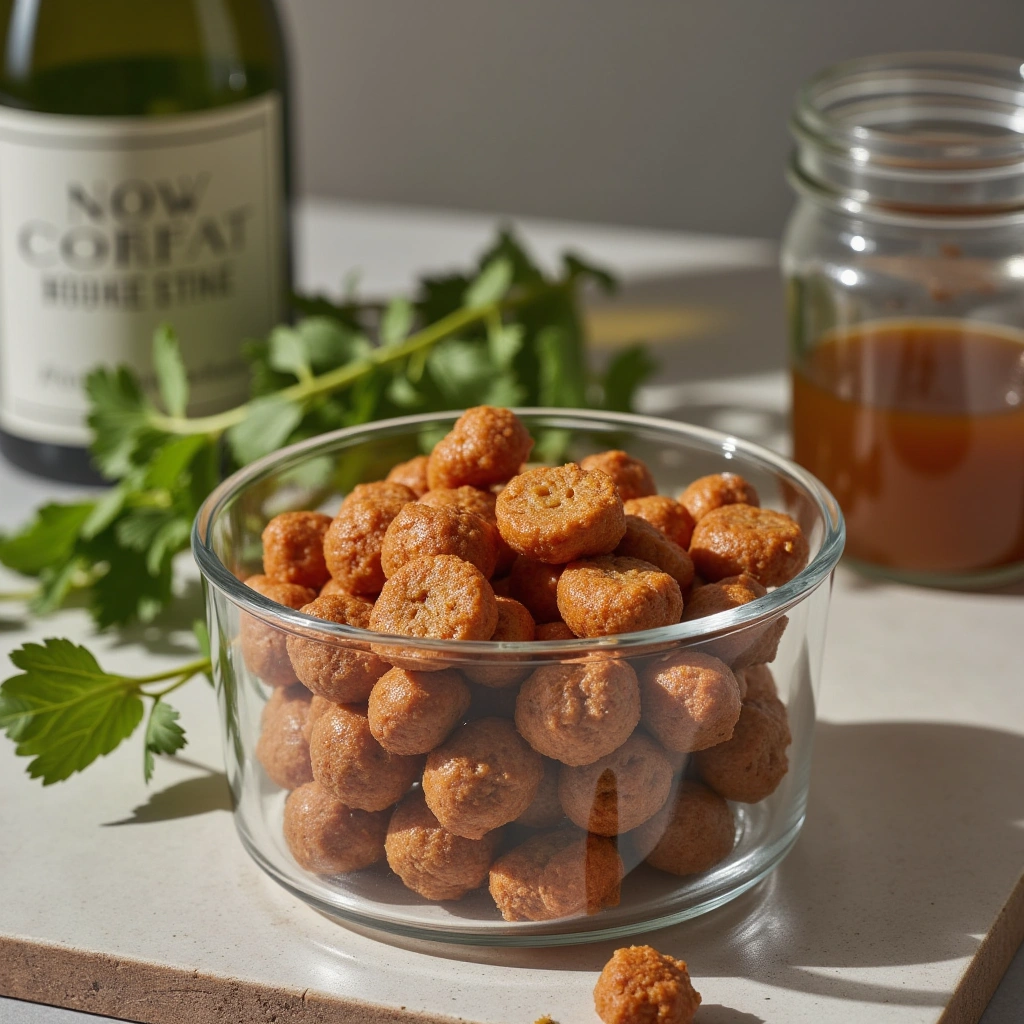
Making easy homemade puppy food isn’t just about cooking—it’s about giving your puppy the best start in life. With the right ingredients, portion control, and a little planning, you can provide nutritious meals that support healthy growth and happy days. Remember, the key is balance, safety, and a commitment to your puppy’s well-being.
If you want to nourish your puppy naturally, homemade food is a wonderful option. It’s fresh, customizable, and filled with love—just what your puppy deserves. Start today, and watch your little friend flourish.
—
Remember, easy homemade puppy food is a fantastic way to ensure your puppy thrives. With careful preparation and attention to nutrition, you’ll set your furry friend up for a lifetime of health and happiness.
